
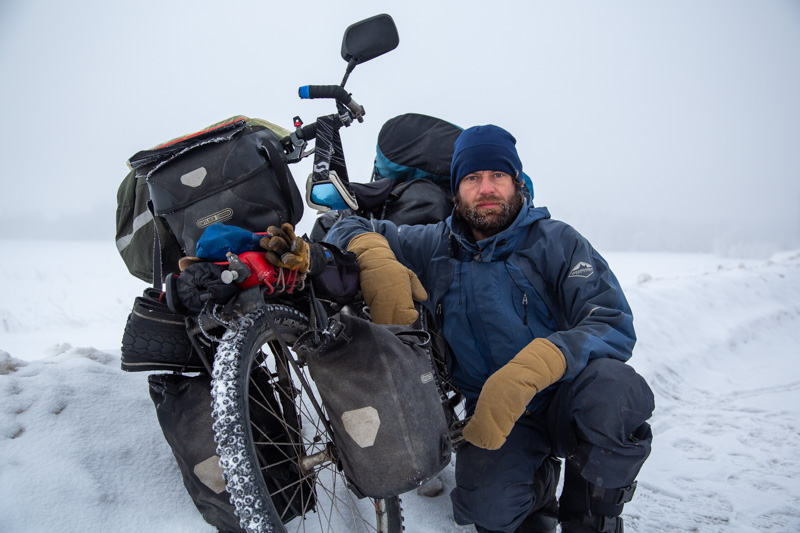
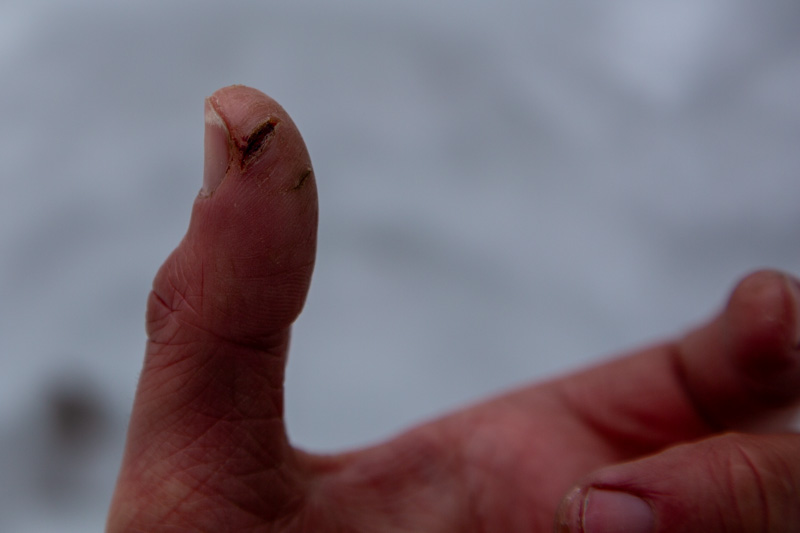
From Kirov, I had some fine days, and with the clear skies came the deep freeze. The skin on my fingers dried and split open into raw, bleeding crevasses, which were permanent and unhealable until the change of seasons. All I could do was bind the wounds in medical tape.
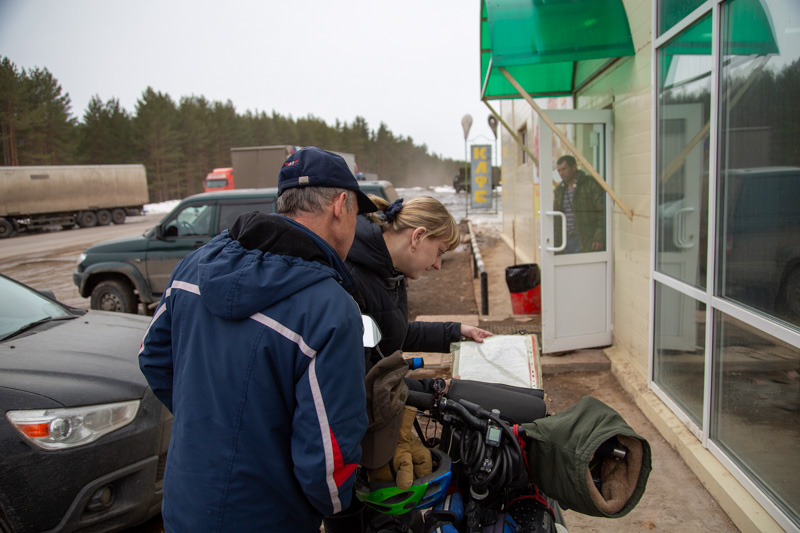
For a week I travelled through the forest, stopping only for supplies, until I arrived at a village at crossroads. People gathered around me at the grocery store, asking about my travels. I explained that I intended to take the back road to Vologda, which sprung a group discussion.
‘It is not possible. This road is closed. There is much snow. You must go this way,’ one woman said.
I needed to confirm the roads I ventured were cleared (winter roads). I was hoping to get off the main road and make Vologda in shorter time. I’d learnt that word of mouth wasn’t necessarily accurate, but I accepted the prevailing wisdom of the locals.
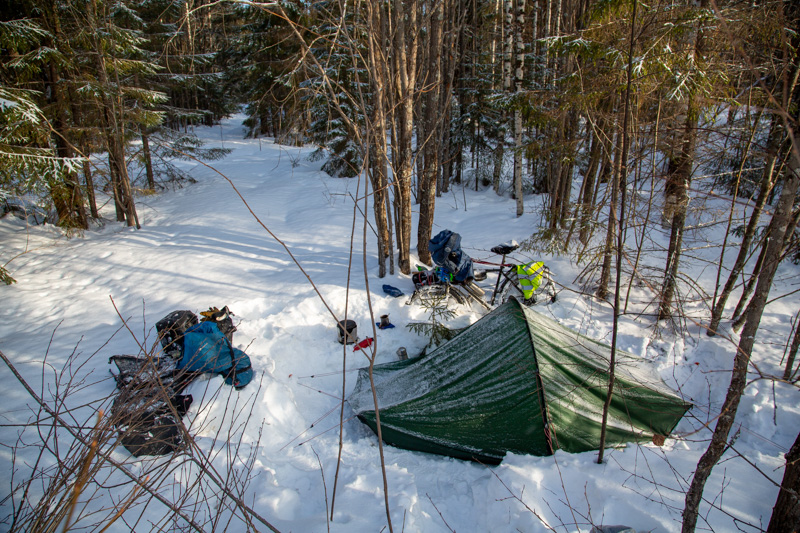
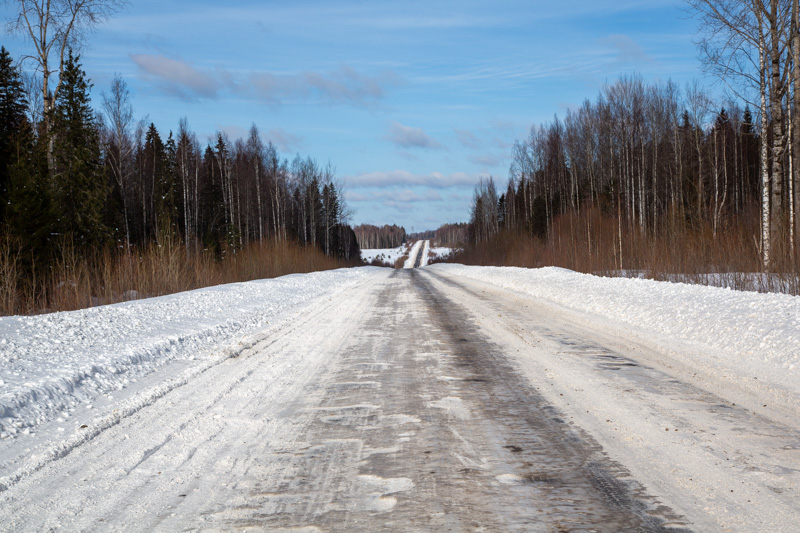
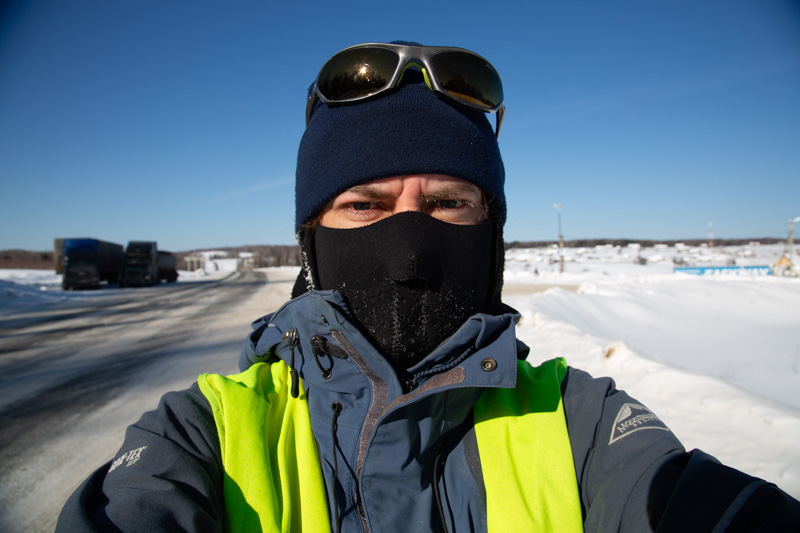
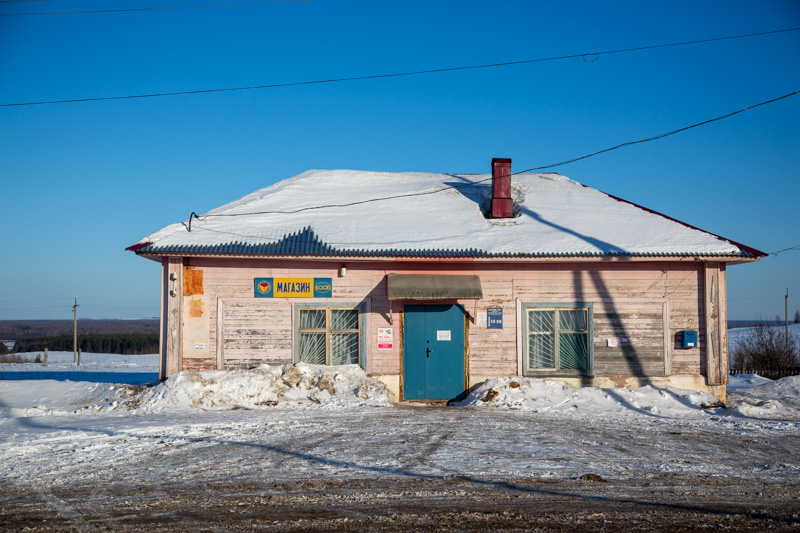
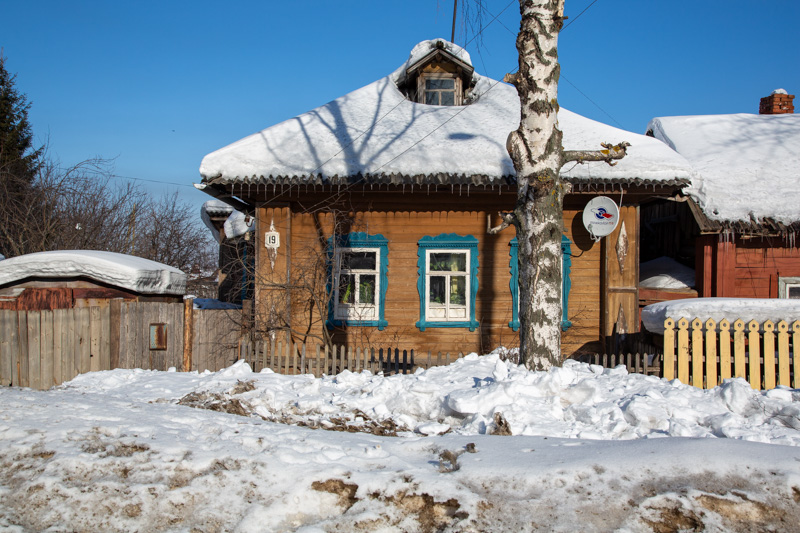
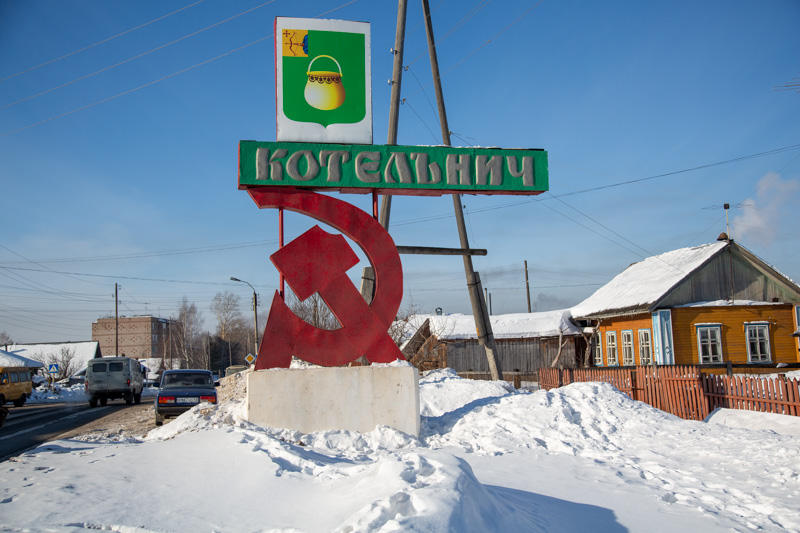
I filled my panniers with a week’s worth of food and turned north, sliding and fishtailing into heavy snowfalls. Cars sped past in whirls of snow. This keeps up and I won’t be going anywhere. I had to stop frequently to warm my hands, cramming them into my pits. Then a car pulled up and the window wound down.
‘Hello,’ called the driver. He got out of the car and crossed the road. His name was Nikolai.
‘Where are you going?’
‘Vologda,’ I said.
‘Oh, it’s a long way. A lot of snow.’ he said, scrutinising the map on my handlebar. He pointed to an obscure dot marking a tiny hamlet 14 km down the road. ‘Here.’ he said. ‘My house. You sleep at my house tonight.’
He gave me verbal directions that I tried to memorise, but had little confidence of finding the place since the map was riddled with these dots.
‘I am going to another place, so I will not be there. But my grandfather is there. You go and stay with him.’
The day faded quickly, and I could barely make out the road for the darkness, and my headlight’s blinding reflection off the snow falling wet and heavy. I found the sign and followed a sunken tyre track about a kilometre until I arrived at the small brick cottage opposite a log cabin, which Nikolai said was his dacha.
I knocked. Nikolai’s grandfather opened the door and invited me in without saying a word. He served me a cup of tea and cookies, and we sat opposite one another unable to communicate. The cabin was filled with fishing and hunting gear. This will be a strange visit, I thought. But at least I have a warm night indoors and an easy departure in the morning. Later, Nikolai arrived with his friend. He spread out a welcome buffet, cutting thick chunks of meat, cheese, and bread. Then he opened a bottle of vodka and poured three shots.
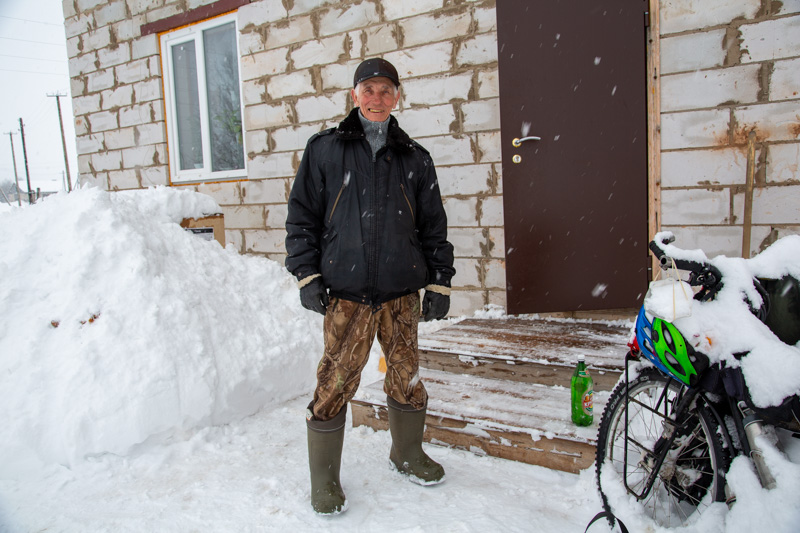
The morning was warm but snowing. I went outside to take a leak. The hamlet was in forest, perched above a river. I took my bike outside, attached my panniers, and began to push the hulk through deep slush. The old man looked concerned with the futility of it. A neighbour came out, and the men clearly weren’t happy about me venturing into these poor conditions. But I couldn’t afford to slow down. I needed to know the forecast, so I rang Marina for help to translate.
‘You cannot go,’ Marina said. ‘He says there is no snow clearing on this road.’
Nikolai returned mid morning. ‘You are here today. Good! Let’s go fishing.’
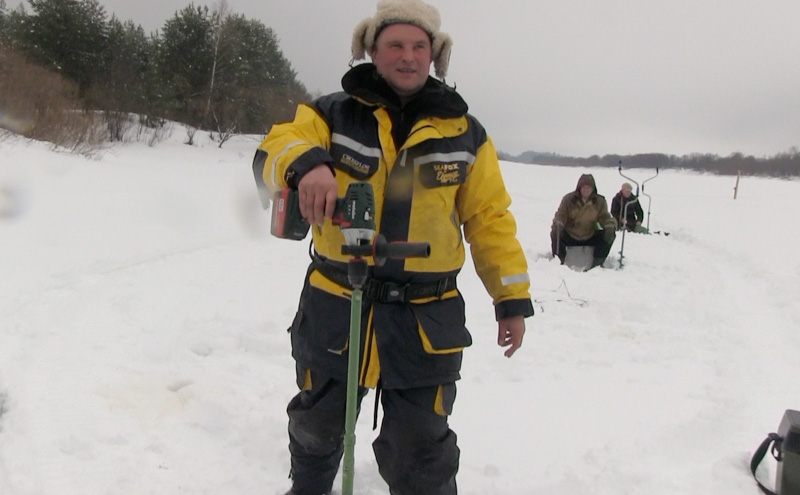
He fired up his snowmobile and we were off, speeding down the hill and across the ice to where the river broadened to a small lake. Fishermen were already out on the ice drinking beer, with holes drilled and set. They seemed hopeful, but their efforts had only produced two tiny fish. Nikolai picked one up, shaking his head. ‘Too small!’ he said, then dropped it head first into an empty beer bottle, where it stuck in the neck and continued to flap like a scaly tongue. We would have no better luck.
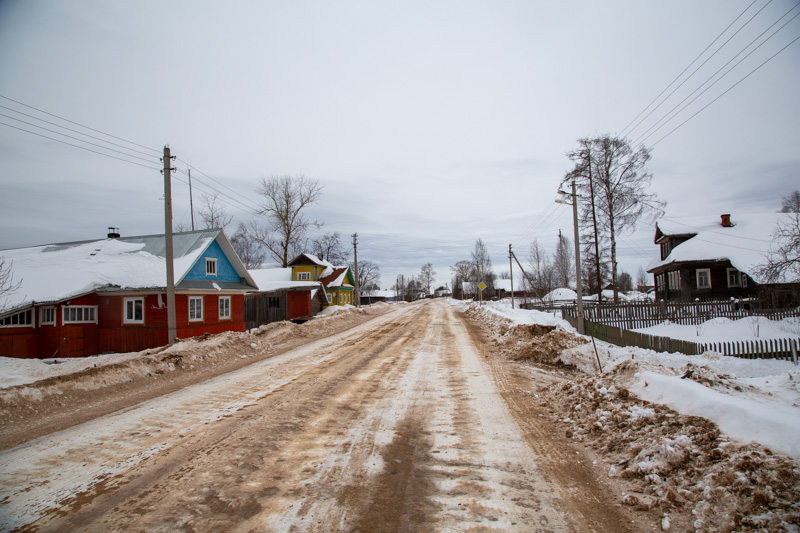
The warm spell continued the next day, but the trucks had cleared the roads enough to travel. Muddy slush kicked up by traffic showered my face and soaked into my boots. I begged for the cold to return, and it did with blizzards through that afternoon and night, laying a thick blanket of powder by the morning.
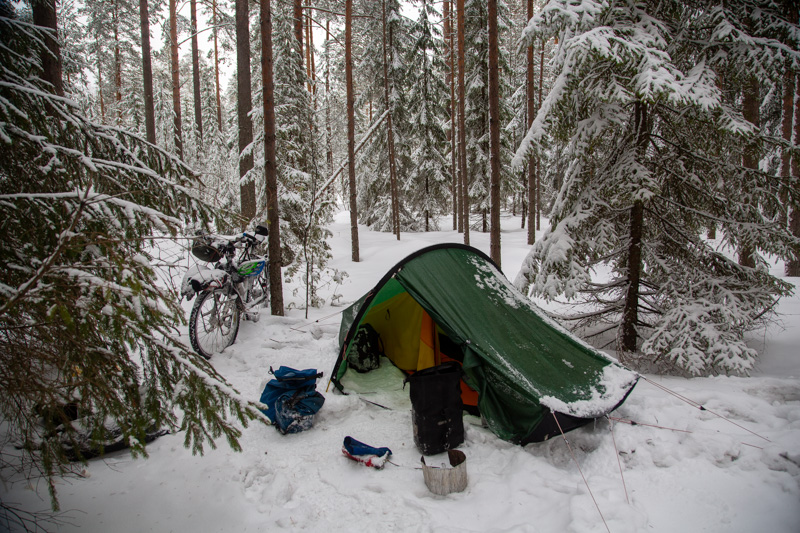
I wore Arctic boots in the winters and it was crucial that I kept the insulation dry. I wore plastic bags over my socks to stop perspiration penetrating the inners, but in warm weather my boots would get soaked from the outside and freeze solid overnight. I needed to get indoors that night to dry my boots, or risk losing toes.
By dusk I was no closer to finding a place to stay, so I ventured up a side road and lit my stove. I hunched over the pot, throwing in scoops of snow and then my last frozen eggs. As I struggled to peel the eggs with exposed hands, a vehicle pulled up and a young guy got out and looked me over until he was satisfied that he wasn’t seeing things.
‘You are hungry. There is a cafe down the road, not far, maybe 10 kilometres,’ he said. ‘Here is not safe. There are wolves in the forest. You go to the cafe.’
The roadhouse was three levels. On the ground floor were the usual suspects: security guard, receptionist, waitress, cook, and a few transient patrons. For reason unknown, the receptionist refused my stay—perhaps to do with restrictions on foreigners in hotel accommodation, or maybe I had just become too much of a derelict. She wouldn’t even look at my passport. I had been too long in dictatorial countries to take this rejection to heart. The security guard shadowed me as I tried to negotiate, but she would not be swayed.
A room wasn’t essential, but I needed to thaw and dry my boots. So I figured if she wasn’t going to give me a room, I would order a beer and use the cafe radiator. I lay out my boot liners, headwear and gloves, and plugged in my batteries for charging, shamefully turning my little corner of the cafe into a temporary camp. For the staff however, this was apparently the greater of two evils, prompting whatever action needed to give me a room. An hour later the security guard called me to the reception desk to hand over my passport, fill in the papers, and get me out of sight.
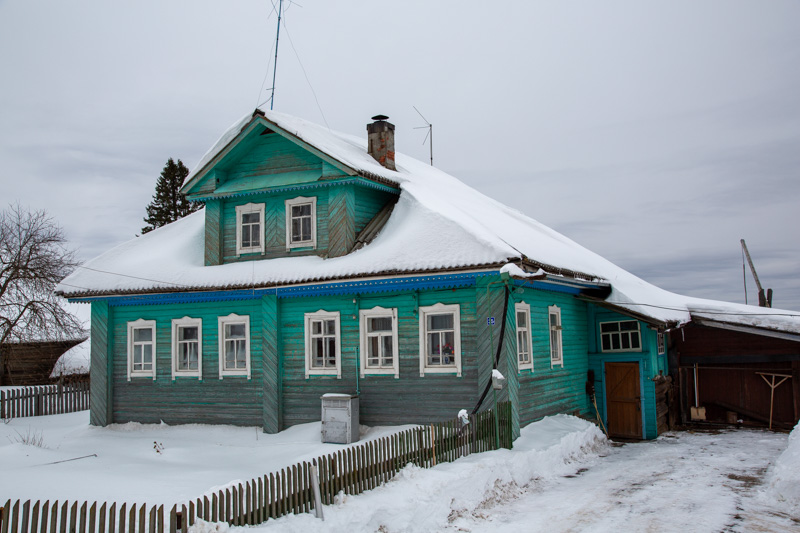
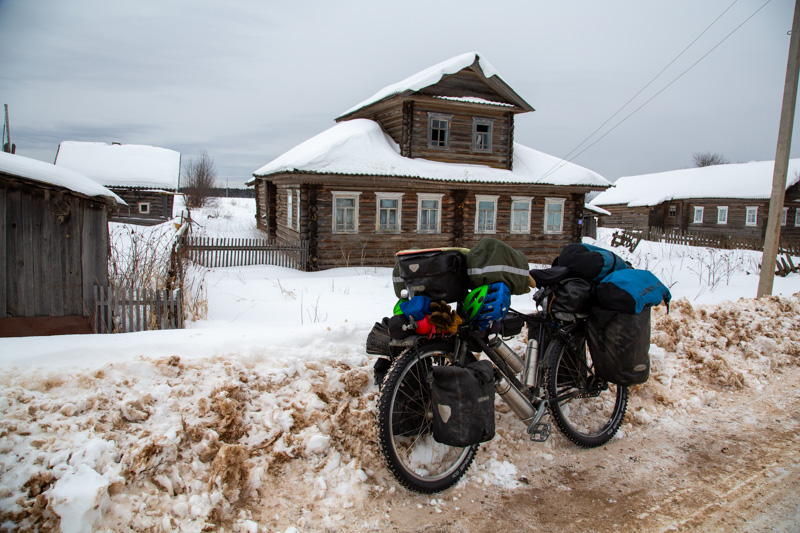
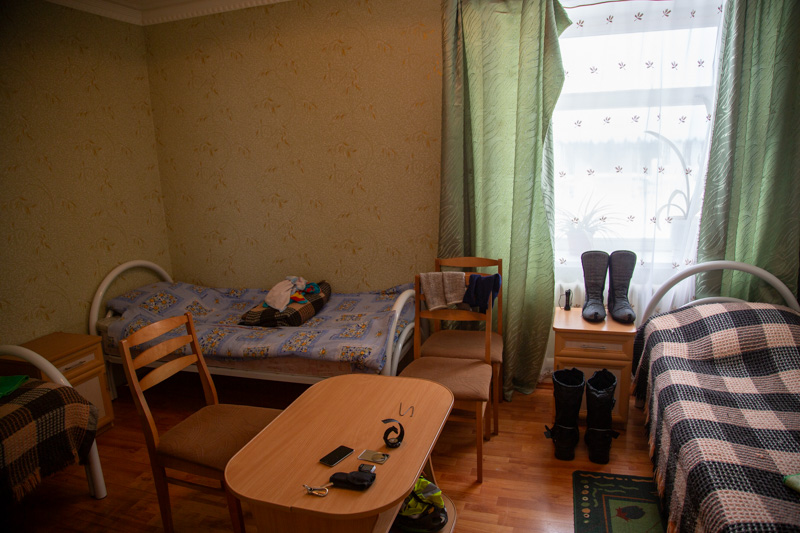
The brutal wind picked up in the morning, whipping up mounds of snow, but I felt well and rested and happy for the day ahead. The staff had warmed to me by the morning, even wanting to chat about my story. As I was saddling up outside, a big guy named Grigori invited me back in to join him at his table.
‘Before you go you must eat big lunch. What will you eat?’ he asked.
I struggled to recognise something on the menu.
‘Okay, never mind, I will order for you.’
He told me he was a distributor, delivering machinery somewhere, which in Russia probably means somewhere far. But he was little interested in the details of work. He preferred to tell me about his wives, of which he proudly had three.
‘My god! The idea of one terrifies me,’ I said.
‘What you do is good. You travel around the world and meet the people. It’s friendship,’ he said. This perspective always humbled me. It was about all I could do.


If I had only covered 30 or 40 km by dusk, I would ride on into the night. One still night the full moon lured me on. I rolled through the dark forest, disturbed only by the crackle of studded tires over ice and the occasional passing headlights.
I didn’t intend to ride through the whole night, but I’d became too drowsy to make camp, and then the struggle to keep moving became the struggle to stay warm and eventually the struggle to stay awake. My food was frozen rock hard. Needing to get something hot down the gullet forced me to stop, to heat a pot of instant mash and soup. I walked, I rode, I stopped, and walked some more, my head slumping at the handlebar.
At some point, I realised that this wasn’t a great idea. Through the long cold night, I urged on the sunrise. The first rays poked through the forest as I arrived at small village with a nauseating headache. I was completely spent. I found a shop and cooked a feast of porridge, eggs, fruit, and bread, which injected some life back in. Then I rolled on, half comatose, until making camp at 4 pm. I had been on the go for 30 hours.
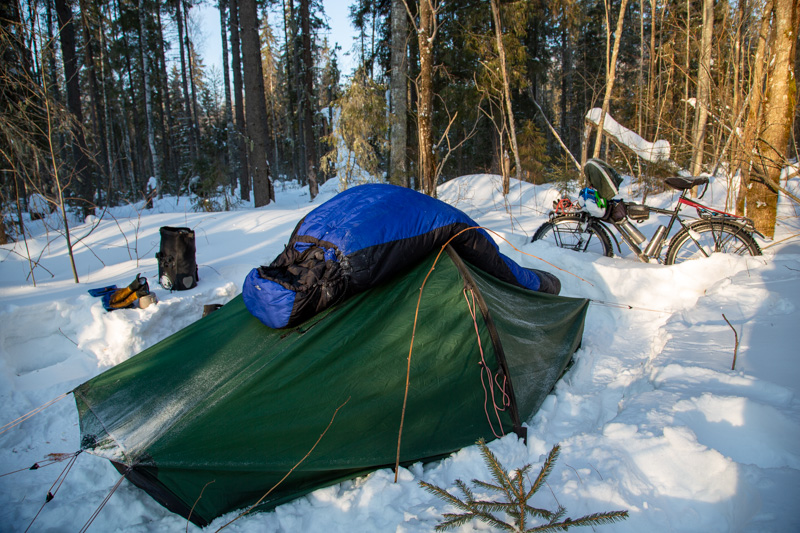
As I was lugging my panniers into the forest, a car slowed and watched me for a moment, then drove off only to return a few minutes later. It was the last thing I needed. If this guy tells me to move, I’m gonna die of exhaustion.
But with true Russian goodwill, the man introduced himself as Edik. ‘Do you need something?’ He asked.
‘No. Thank you,’ I said, too exhausted for anything but sleep.
Edik was back in the morning, inviting me to have breakfast at his place. Without discussion, he stated throwing gear into the back of his Mitsubishi 4×4, for the ride to his village. An invitation into a home should never be rejected. Yes, it can be an opportunity to wash and have a feed, but it’s the exchange of humanity over a cup of tea or a shot of vodka, which is one good reason for why anyone would be out here in the first place.
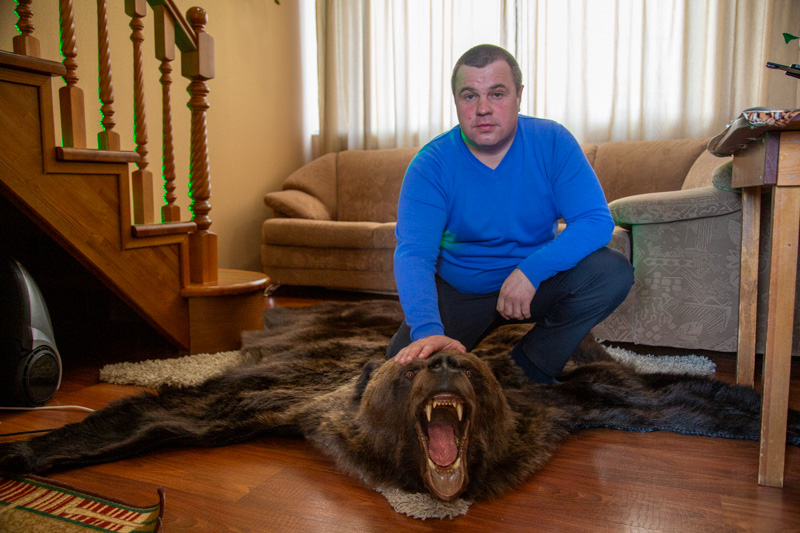
That day Edik was heading to Vologda with his sister-in-law, Nadya, and he offered to give me a ride to the city. I was also en route to Vologda, but I had to get back to my campsite to resume the journey on an unbroken path. As we bounced along the road, Edik tried to explain what I was up to. Nadya was perplexed by this, by all of it.
‘Are you being watched by sputnik? She asked.
‘Niet,’ I said.
‘Is it sponsorship rules?’
‘No. Not that either. No one will know. Only me.’
Ay ay ay!’ She shook her head, saying something which I interpreted as, ‘Where did you find this buffoon, Edik?’ I don’t think she was the type to take fools kindly, and was far from impressed.
But I’m still accountable to myself. Challenges are set by establishing rules, simple rules, like not taking shortcuts. It’s what shapes the journey and the experience. The integrity of the project just needs to be intact when I close my eyes at night.
By dusk, I arrived a T-junction at the town of Totma. The greater population in the west meant busier roads, and it didn’t look good—a relentless procession of semi-trailers thundering along the thoroughfare which would take me to Vologda and eventually on to Saint Petersburg. The best I could do to avoid this reality was to retreat into the roadhouse at the junction, where I stripped my layers and ordered stew, and took a table amongst the truckies.
A generic Russian sitcom banged away on the TV. It had a rather engaging storyline, requiring zero comprehension of Russian. Aided by canned laughter, the plot went something like this: man ogles young woman with large breasts, another voluptuous women walks into the room, startles man and man turns, accidentally crashing ice-cream into woman’s knockers, man is in a pickle, man then tries to clean up the mess with his mouth, woman one slaps man, woman two slaps man, and so on … I didn’t even know what a woman’s breasts looked like any more, but as I sat there, blood rushing back to my face, I realised I’d never lost my childhood appreciation for Benny Hill.
I had little incentive to move, to go out into minus God-knows-what, to dig a trench in the forest and a pit to sleep in. So I sat and read and waited until I hit the tipping point of fatigue that would force me to go outside and camp. I would be spared. In between surveilling outside and chatting up the waitresses, the security guard befriended me. When I finally made my move around midnight, he told me to follow him out to the truck bay. We climbed the stairs of the watch tower up to the lookout cabin. It was barely big enough for the couch, but he kindly offered it to me for the night. He told me that he was on duty and would be back in the morning.
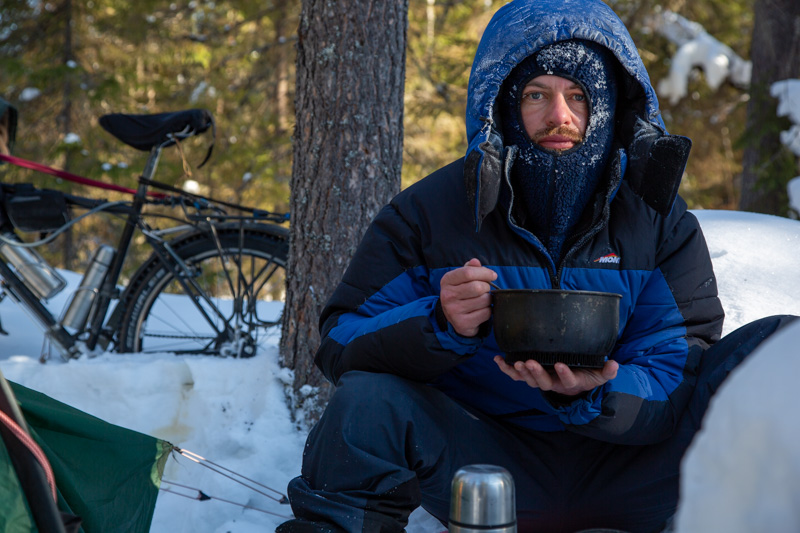
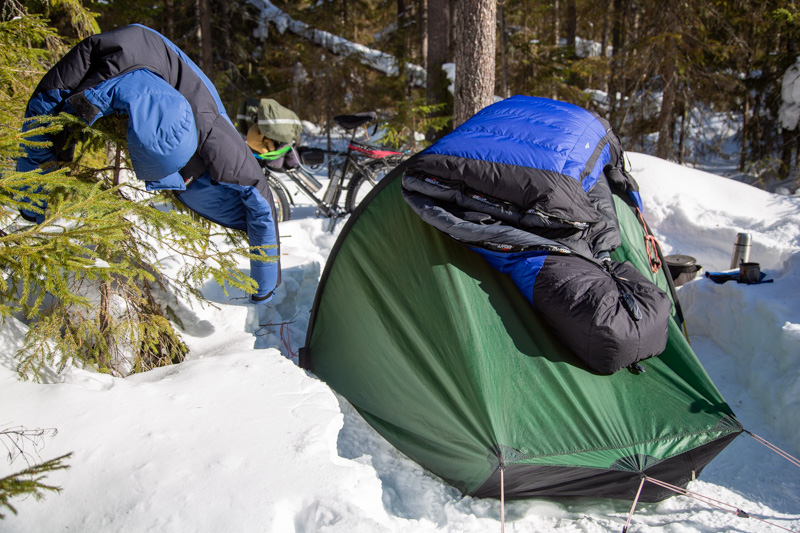
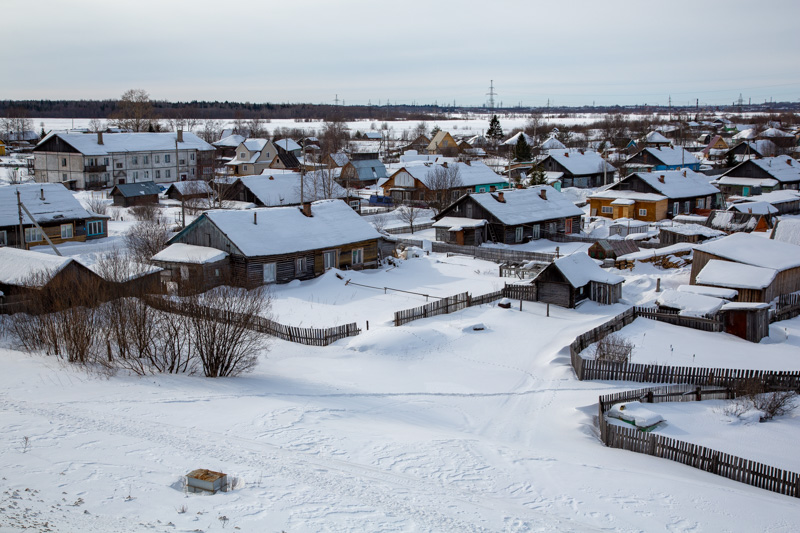

Vologda
Two days later, I arrived in Vologda. Kseniya had contacted me online, and had organised for me to stay with her friends, Galina and Sasha. My stay stretched out to five days as friends came and went and showed me wonderful hospitality.
Sasha had a giant beard that put mine to shame. It was a curious anomaly since Russian men with beards were extremely rare, but over the days I noticed more of these young guys with long beards in the streets of Vologda, and later in Saint Petersburg.
‘What’s going on with the beards?’ I asked Kseniya. ‘I’ve rarely seen them in Russia, but here there are many.’
‘They are hipsters.’
‘Hipsters! What’s that?’
‘It’s a fashion now.’
‘Do you like this fashion?’ I asked.
‘For me it’s fine, but Galina hates it on Sasha. She says it gets full with food. But Sasha will never take it off,’ she laughed.
‘Oh. Does that mean everyone thinks I’m a hipster?’
‘Yes. Everyone will look at you and think you are a hipster,’ she said.
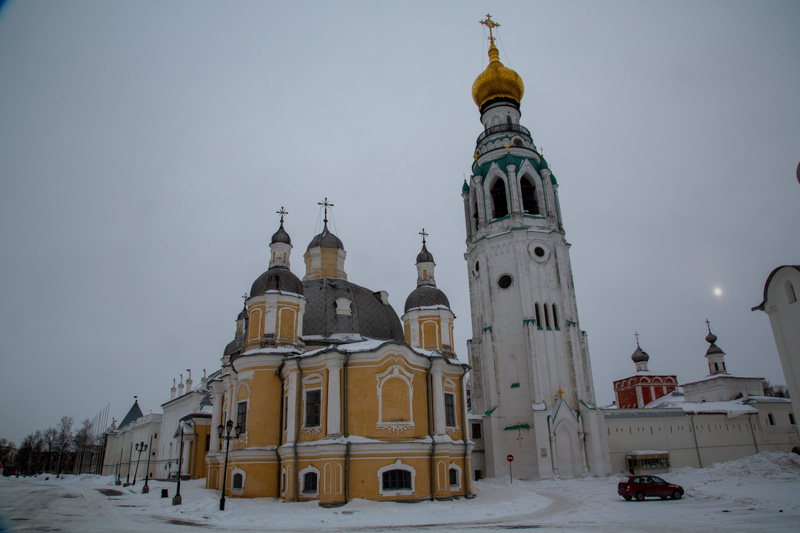
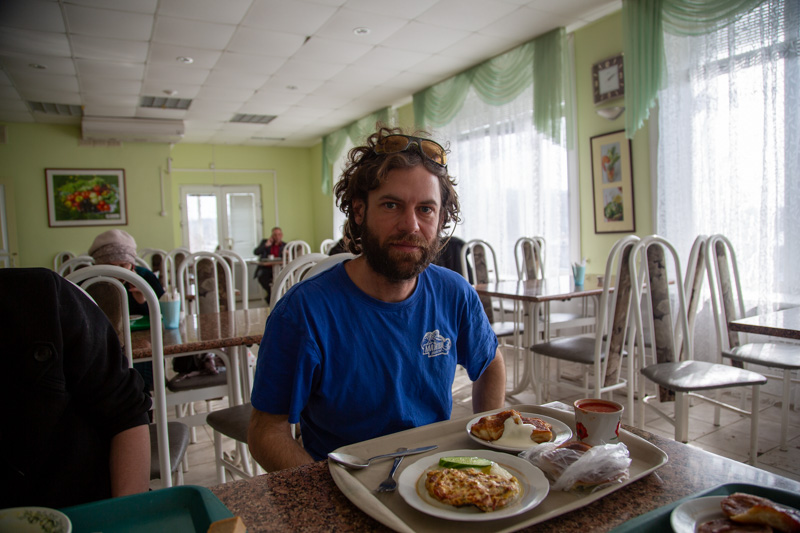
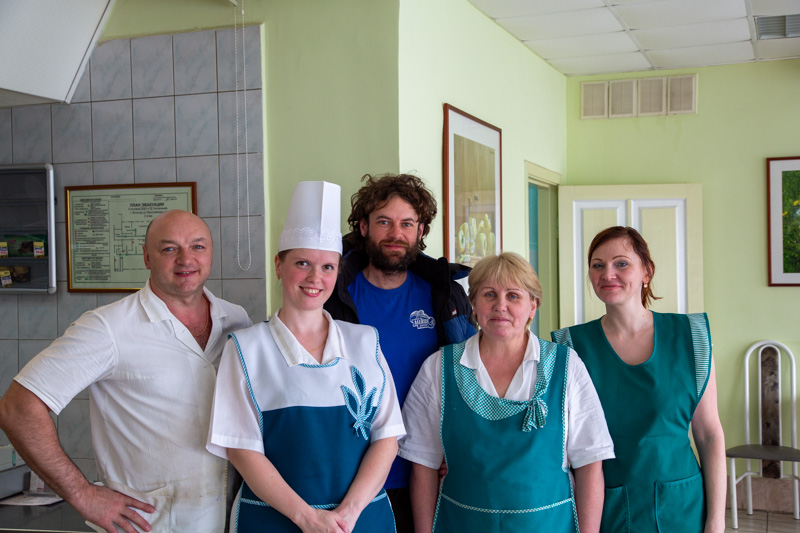
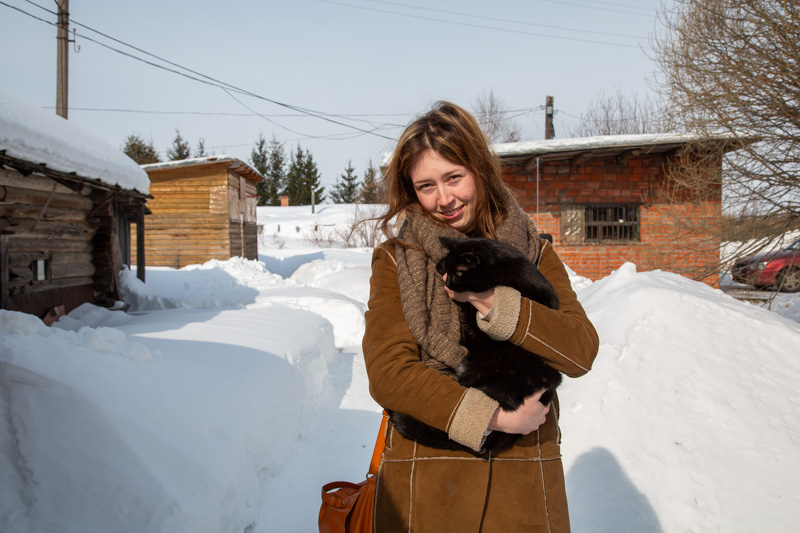
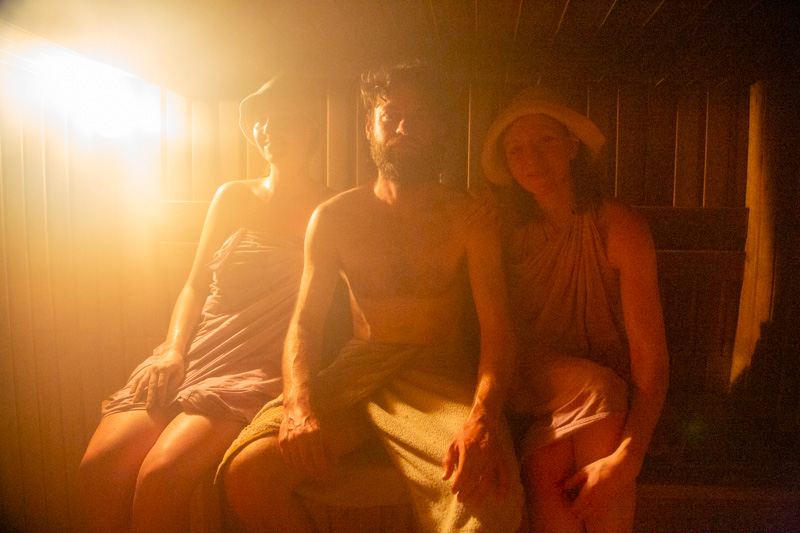
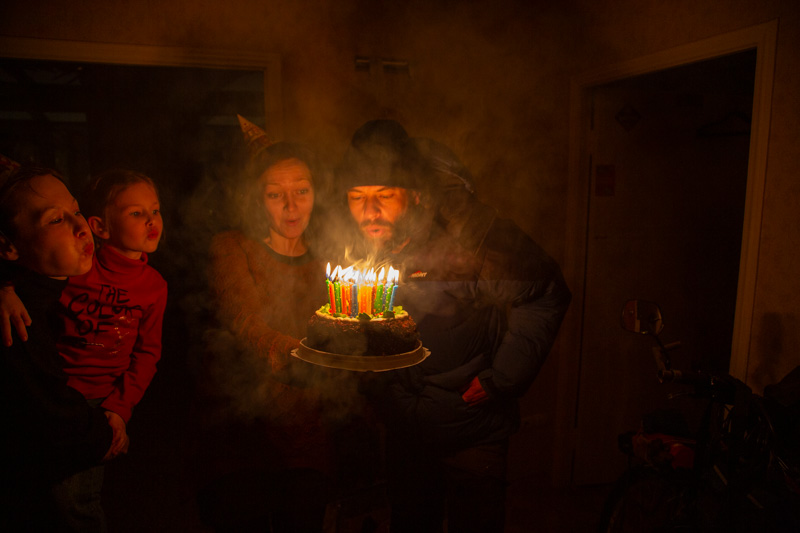
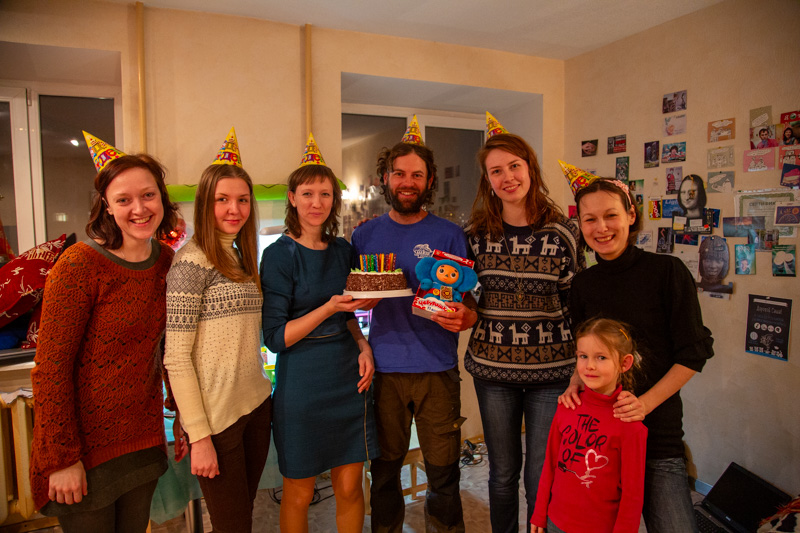
One afternoon I entered the apartment to a loud cheer, ‘Happy birthday!’ A group of friends had gathered to throw me a surprise party.
‘It’s your birthday. Have a drink. What type of beer do you want: light or dark?’ Kseniya asked.
‘Well, dark please, but, I’m afraid it’s a mistake. It’s not my birthday. My birthday is in December.’
‘Yes. But maybe you don’t have friends to celebrate on that day, so we’re giving you a birthday party now. A Russian birthday party in Vologda, so you can celebrate now in case you are alone.’
And here sums up the Russian character that I experienced in spades all the way from the Far East to the western border. It’s not just Russia, of course, it’s common humanity—people are good just about everywhere, even though we don’t always experience it in ‘real life’. I honestly never felt deserving. How could I? These moments gave me impostor syndrome, but I could also accept that there was some kind of exchange happening. I’ve learnt that good things tend to happen when you’re willing to throw caution to the wind and give your all, whatever that may be.
From Vologda, I had 900 km to Finland. I was making good progress and hoped to have enough surplus time on my visa to spend a few days in Saint Petersburg, provided I didn’t get snowed in. I was still in the taiga, and the weather was fickle. The thin shoulder on the road disappeared beneath heavy snows, forcing me to ride the truck tracks. But there’s no room for two, and the heavy haulers win.
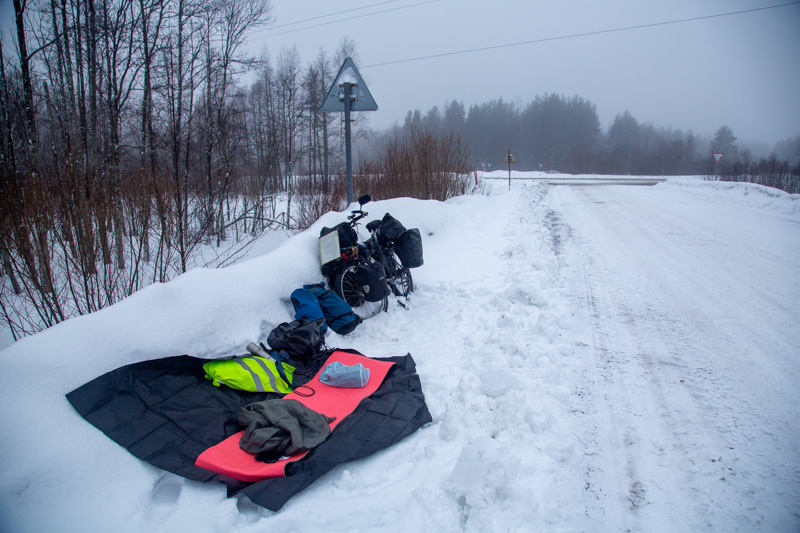
One day I made 75 km (a pretty good day, considering) before retreating into a roadhouse. The roadhouses are typically 24 hours to service the transporters. It felt like an easy retreat, but without a place to sleep I knew it wasn’t possible to wait out the night and travel the next day. It was still snowing when I dragged my bike back out to the road at 2 am. I needed to find somewhere to camp, but was back to the dreaded night routine of walking and cycling and slumping and walking until exhaustion. Too exhausted to set camp, I travelled up a turn-off and bivouacked in the snow bank. It wasn’t that cold, so I didn’t bother with my sleeping bag—just laid out my sleeping mat, put on two pairs of wool socks, sunk into my down jacket, and fell dead asleep at the roadside.
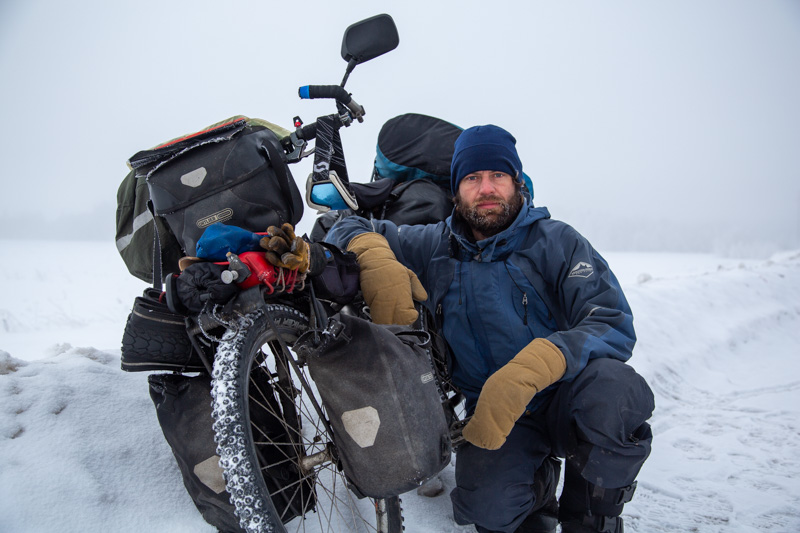
The calendar had flipped to April. Though the nights were still well below zero, every second day or so was warm enough to soak the roads in snowmelt. Plastic bags over my boots worked to keep them dry from road spray. The rest of me was fair game. In need of a wash, I checked in to a small hotel. I opened the curtain, allowing light into the dank room. Snow had seeped into the building and mould was spreading in tentacles up the walls. I plumped on the bed, feeling battered from hauling a 60kg bike along ice-rubble roads for two months. My face and fingers were raw and burning, but it felt good. I was making progress every day west.


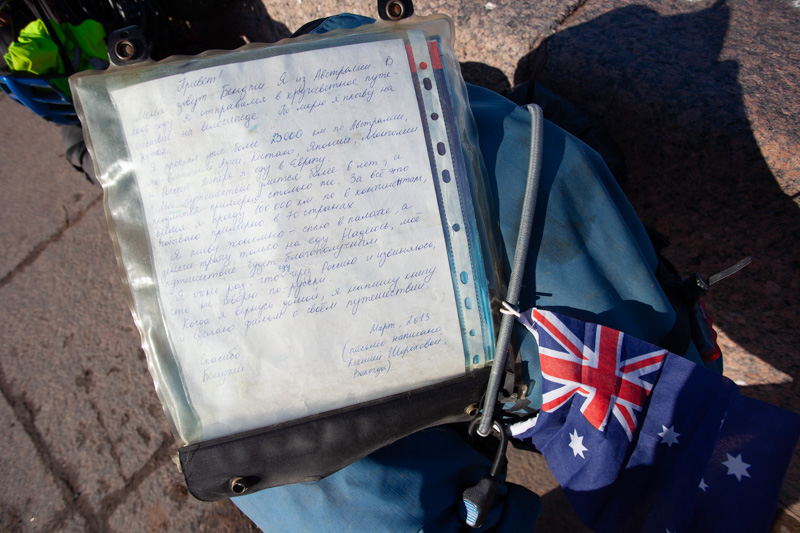
From early in the journey in Far East, see the magic letter in action here: 48 The Broken Stove and the Magic Letter
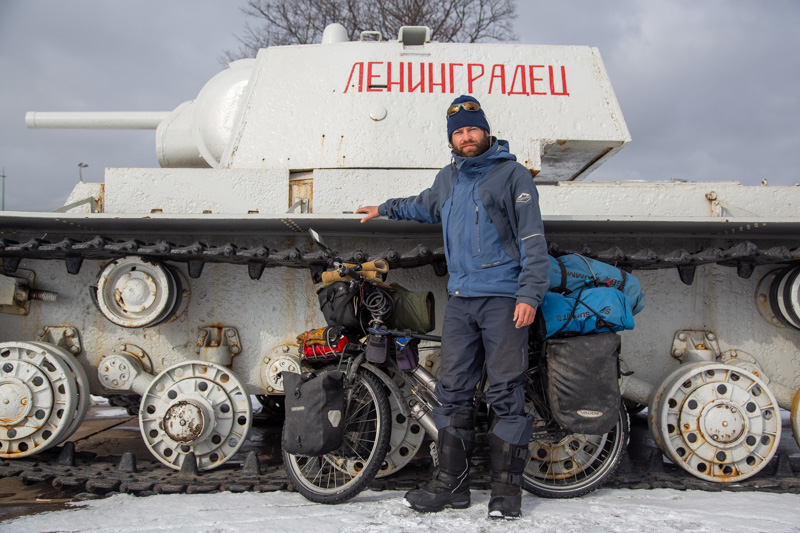
Saint Petersburg
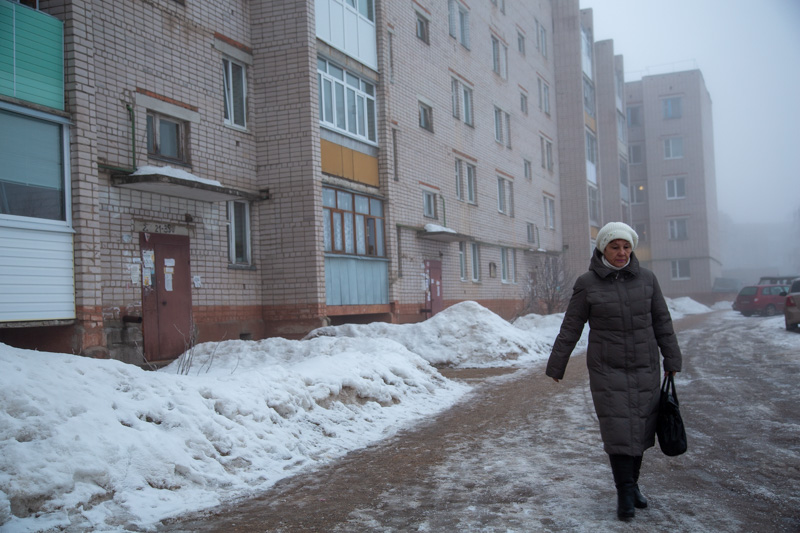
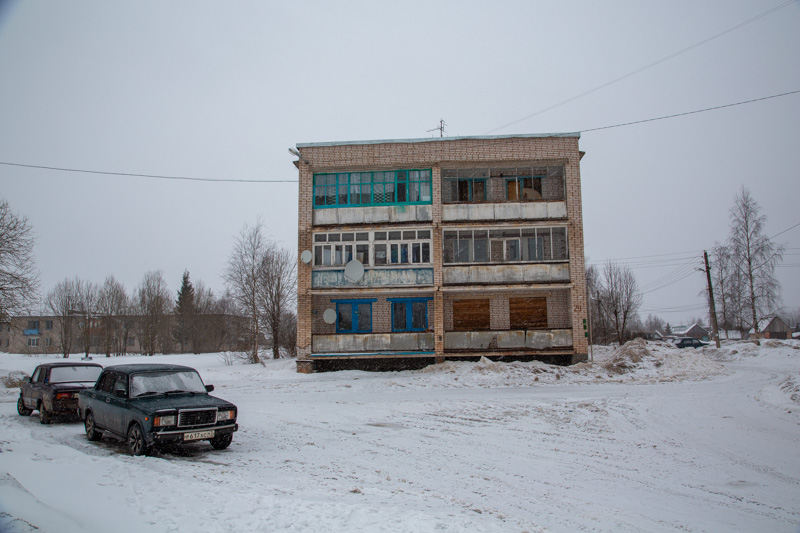
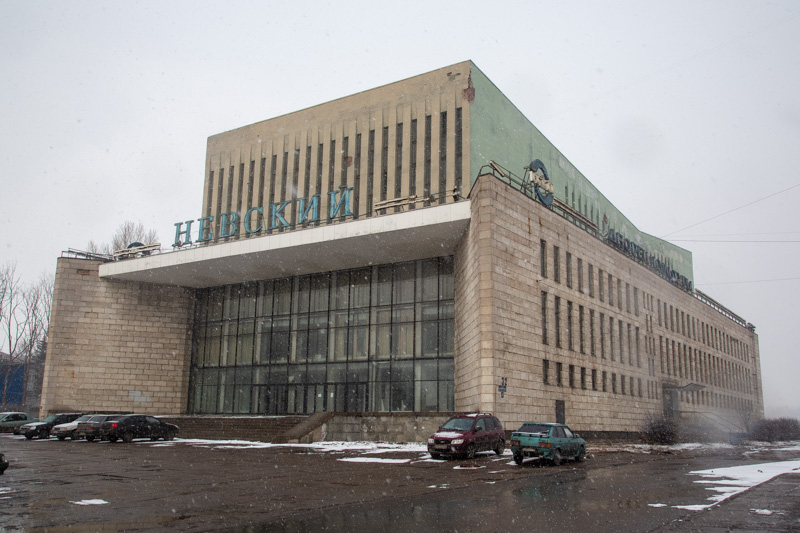
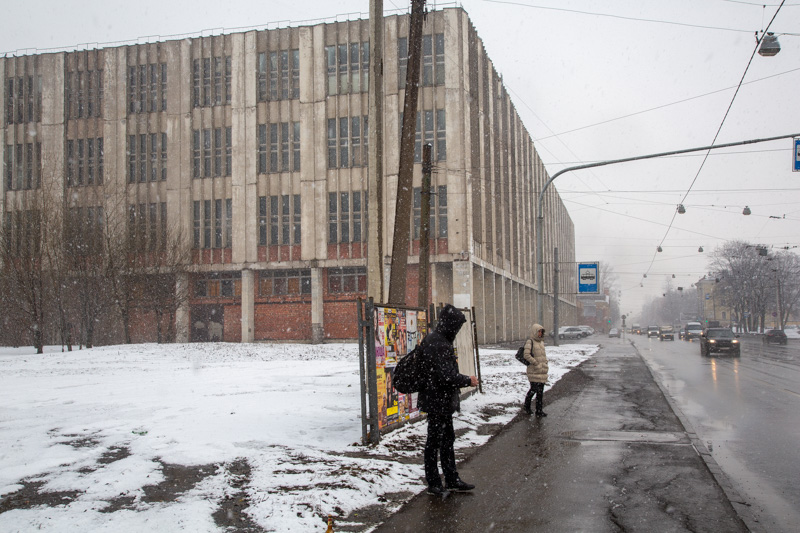
I arrived at outer Saint Petersburg in a blizzard. Visibility was reduced to metres. Between squalls, the city began to reveal itself as cities had done across the breadth Russia—factories and smokestacks, ramshackle buildings, rows of bleak, soviet-era apartment blocks, and Soviet brutalist structures—buildings I had grown to love for their intimidating beauty.
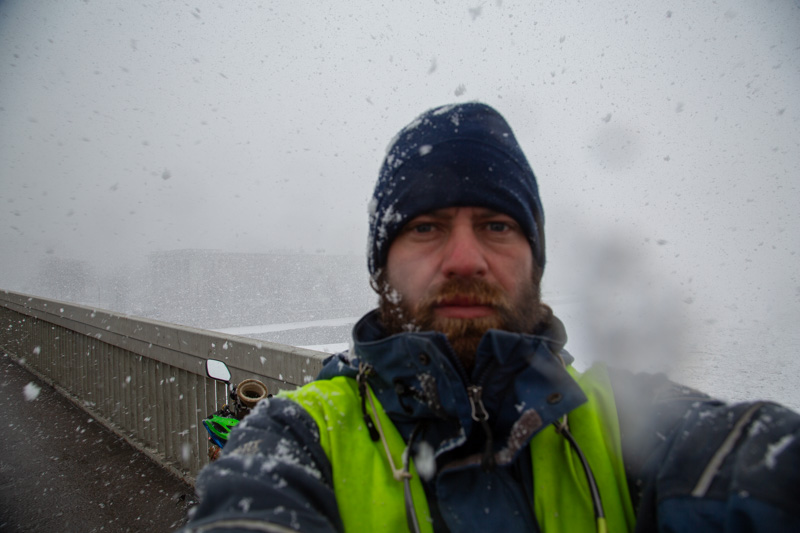
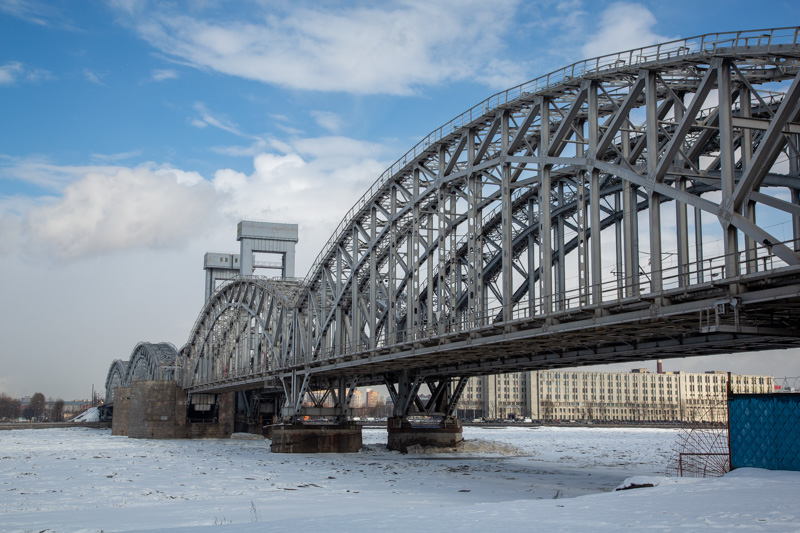
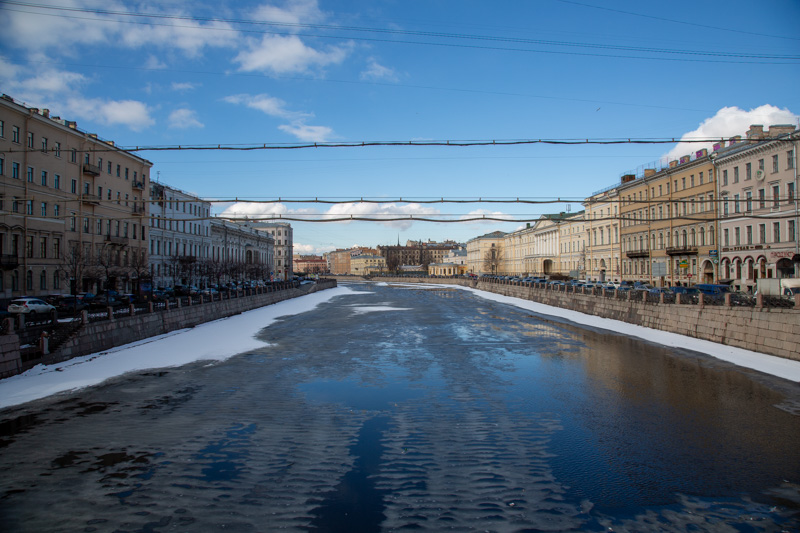
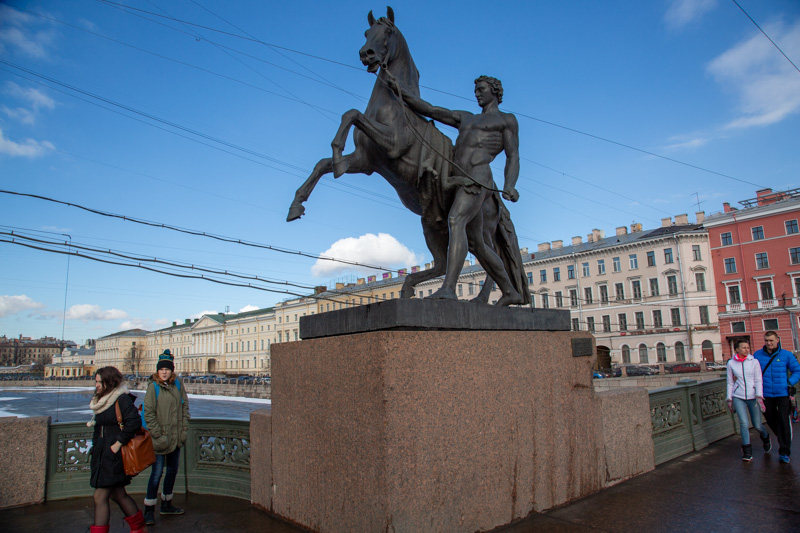
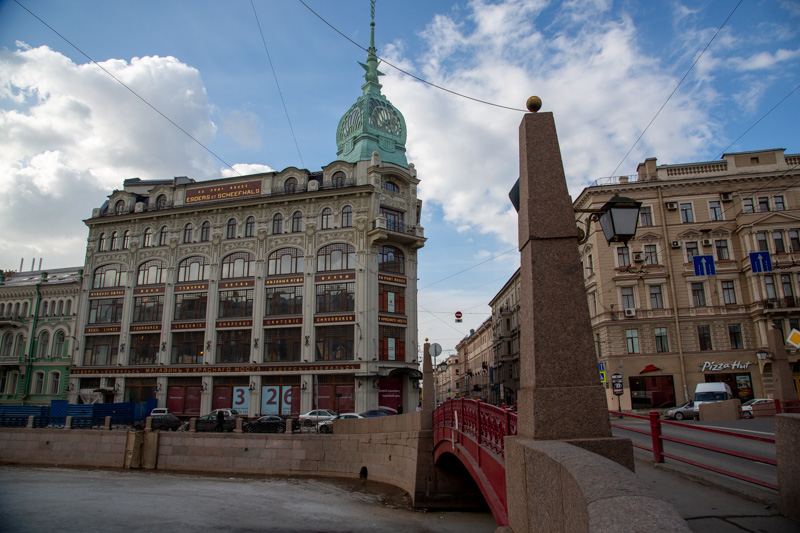
I crossed an iron bridge spanning the frozen Neva River. I could tell from the grand facades running along the boulevard that I was entering St Petersburg proper—the cultural centre of Russia. It was a stirring moment. If there was a worthy destination in the west, this city was it. This would be my last stop in Russia, and it was right to be St Petersburg, a city of great pride in the Russian consciousness. ‘The most beautiful city in the world,’ I’d been told on occasion. A biased claim perhaps, but not an outrageous one. By the time I was rolling through the old quarter mid afternoon, the clouds had parted, illuminating all that splendour, split and diced by canals, and stitched together with stone and iron bridges from another age.
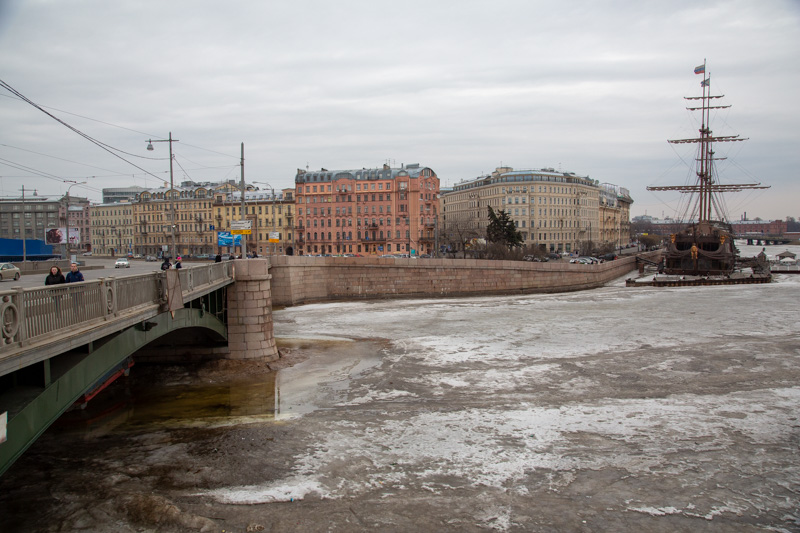
I followed my tattered map until I arrived at the spit of Vasilyevsky Island, where the Neva river splits and flows out to the Baltic sea. I didn’t know where I was at the time, but I had somehow arrived at a statue of my favourite god, Neptune. There I met Anton, a freelance photographer roving about looking for things of interest to photograph.
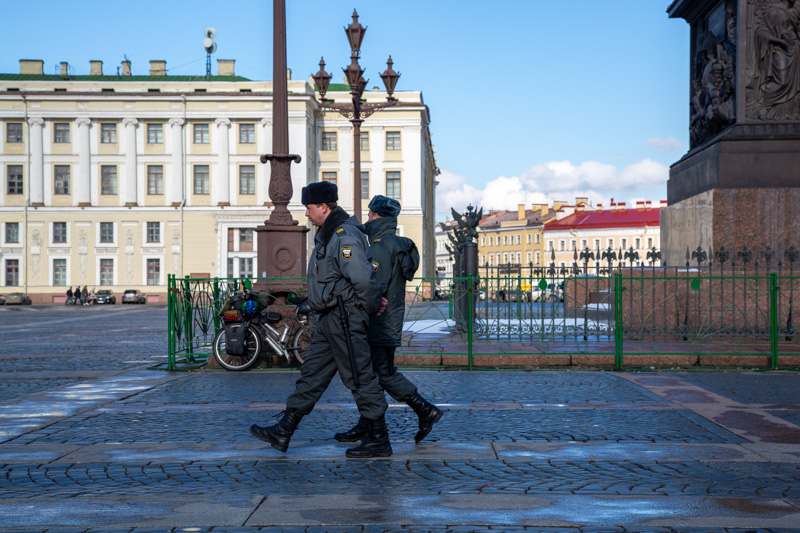
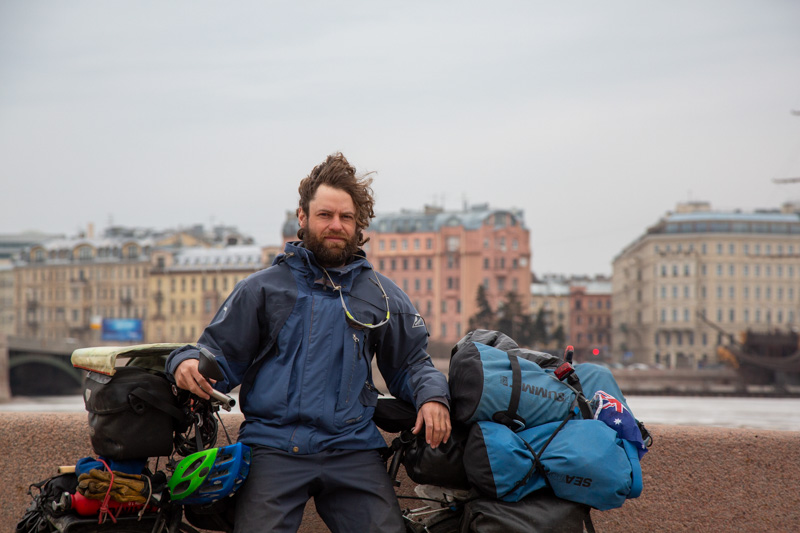
‘Do you want to visit high places?’ He asked, pointing to the buildings across the river. ‘We can climb up to the rooftops and take photos.’
‘Sure … is that legal?’
‘Not exactly.’
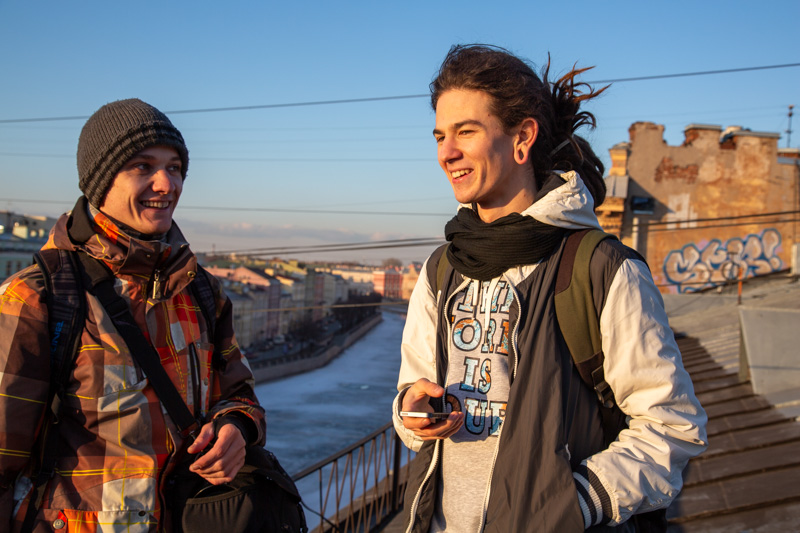
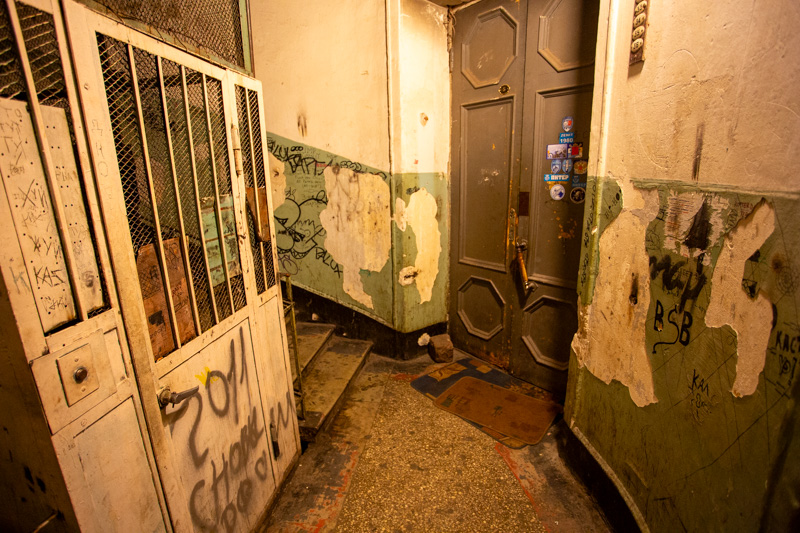
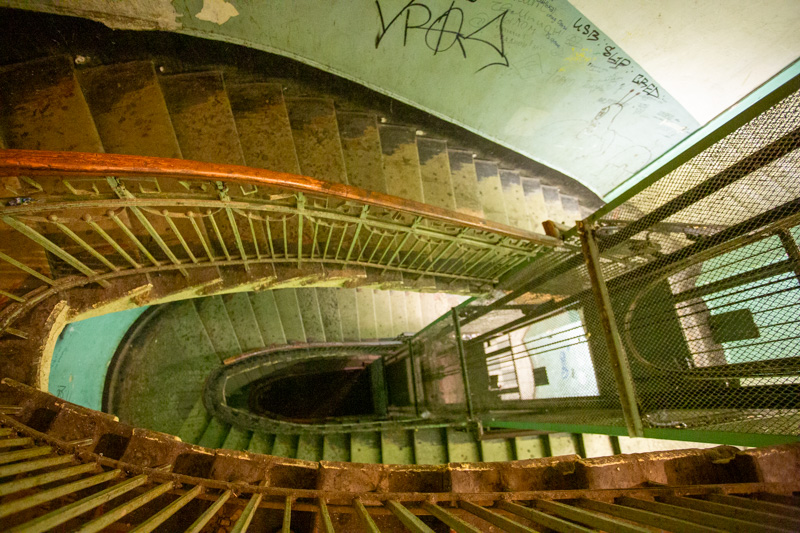
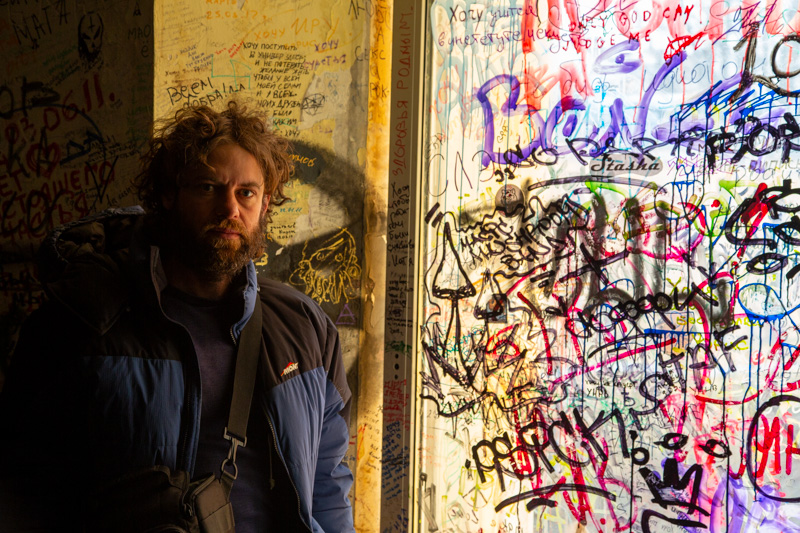
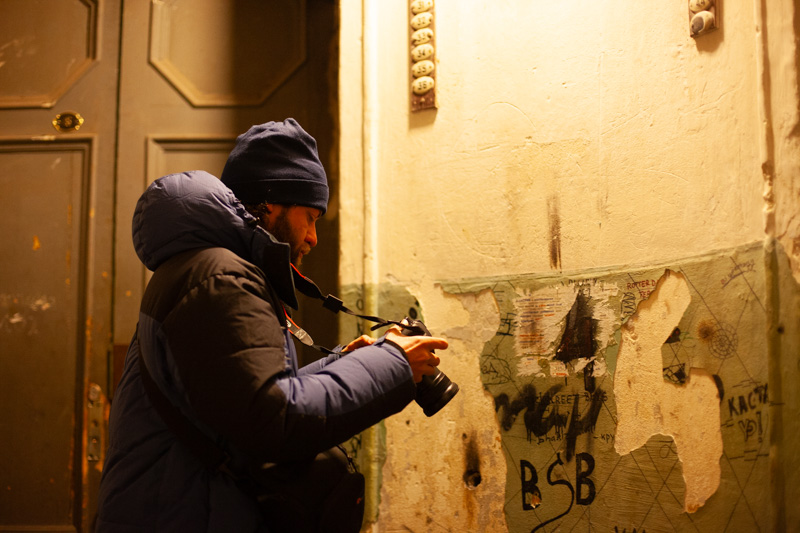
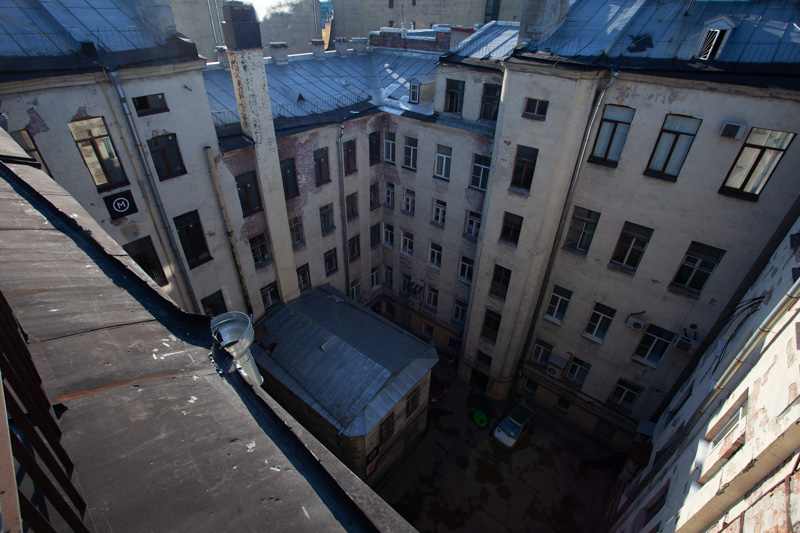
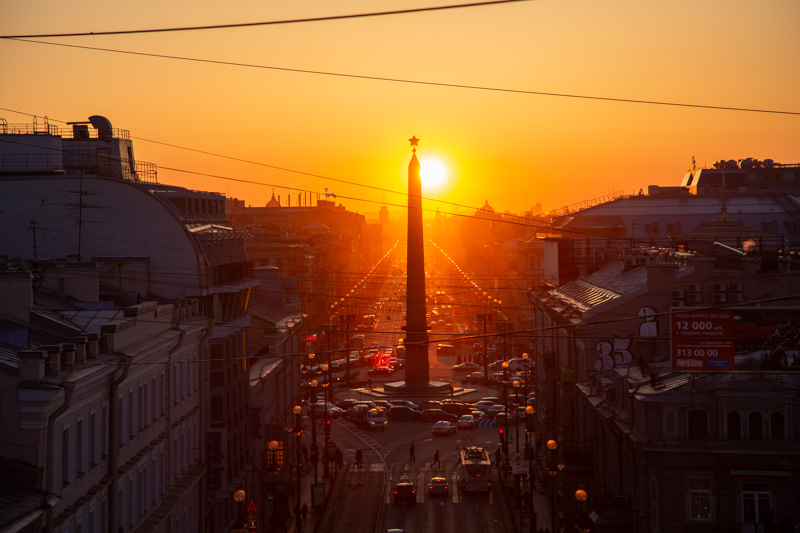
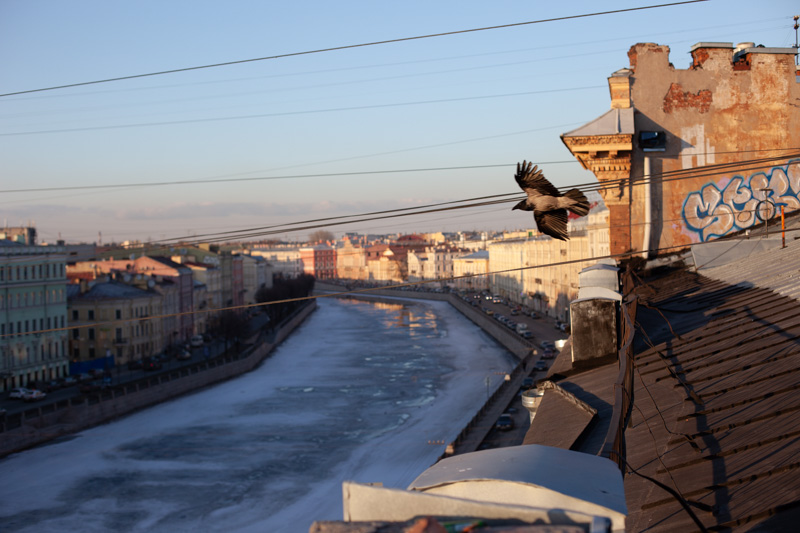
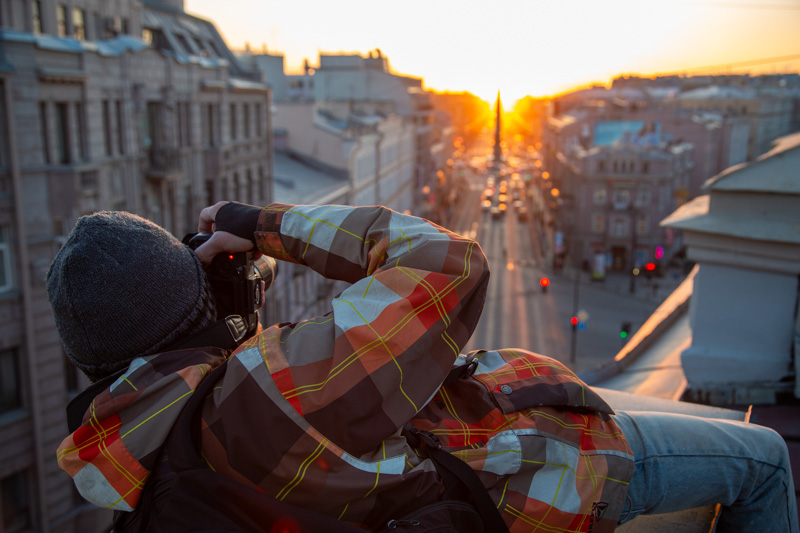
The next afternoon, Anton, along with his buddy, Almaz, took me on a stealth tour of Saint Petersburg. We weaved through the busy streets, ducking through iron gates into quiet residential quadrangles, stopping at specific doors—portals to vantage points of this magnificent city. The doors were secured by magnetic locks, which Anton cracked by cycling through his large keychain of magnetic keys with practiced efficiency. We slipped inside and climbed staircases into dusty attics, then up rusty ladders, through hatches, and onto the rooftops.


My friends in Vologda had put me in touch with Tasha, who kindly hosted me for five days. Tasha was involved in the urban cycling movement in Saint Petersburg, and organised with her colleagues for me to do a talk. She posted notices in timeout magazine and VK (Russian Facebook). With two days notice, I didn’t think there would be much of an audience, so I was surprised to see a small crowd show up to hear my adventure story.
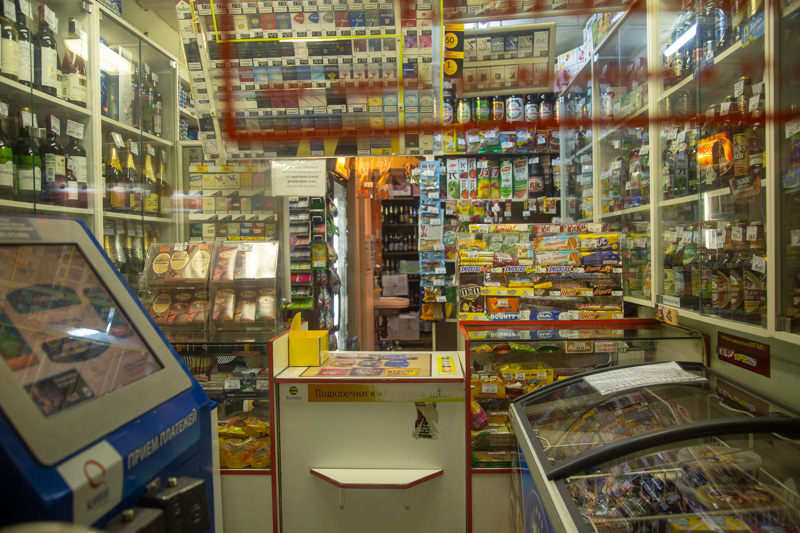
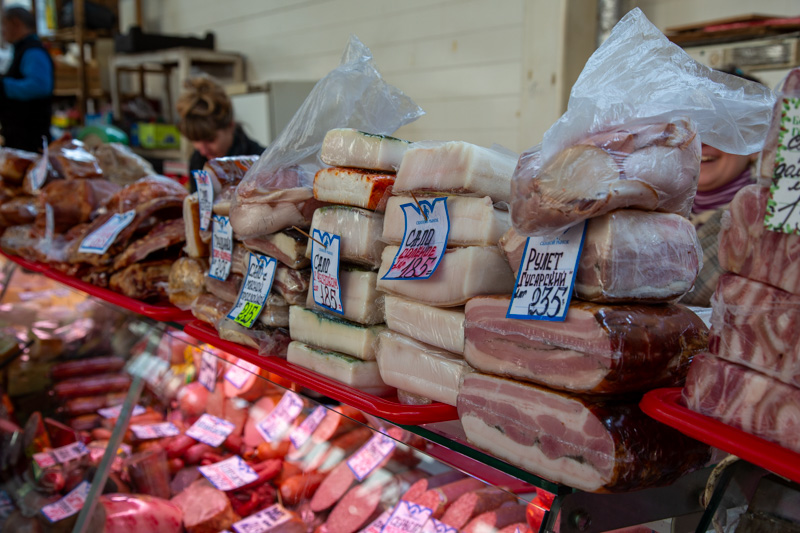
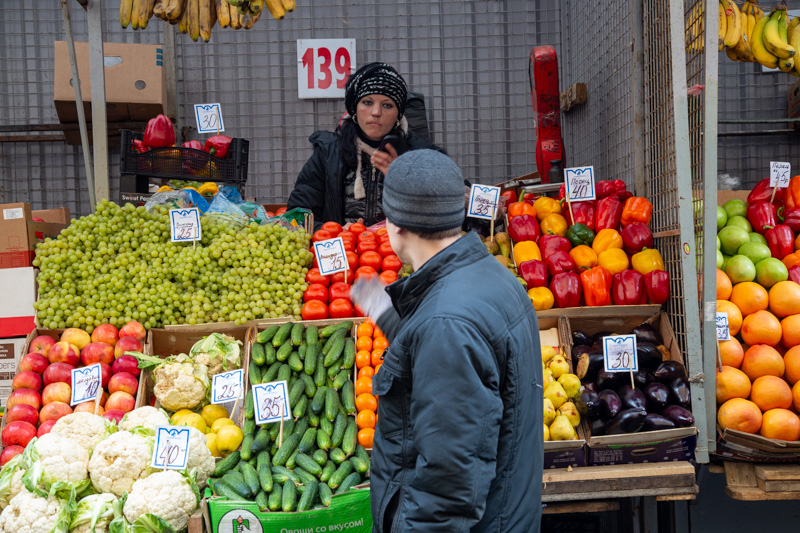
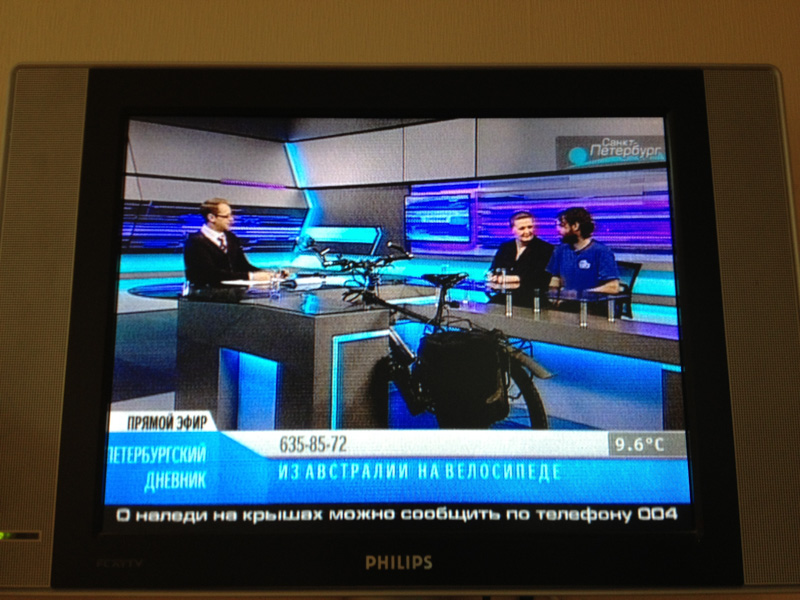
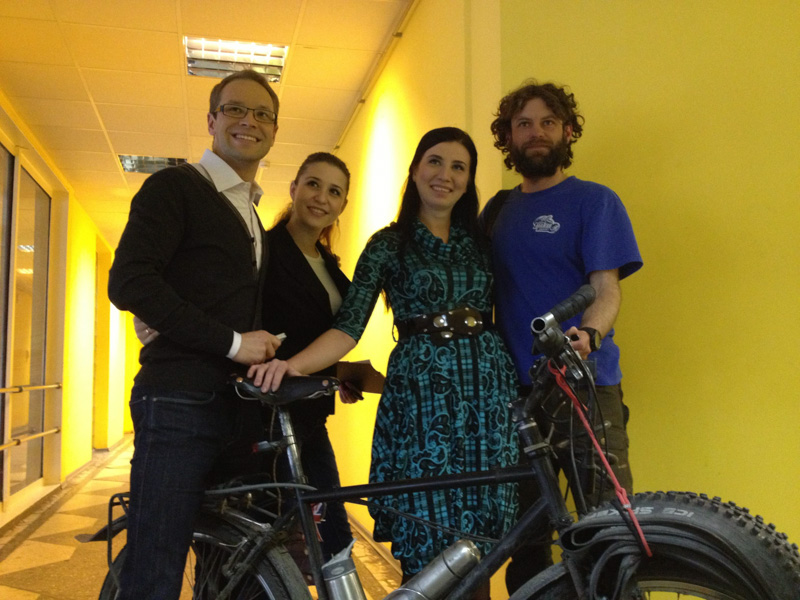
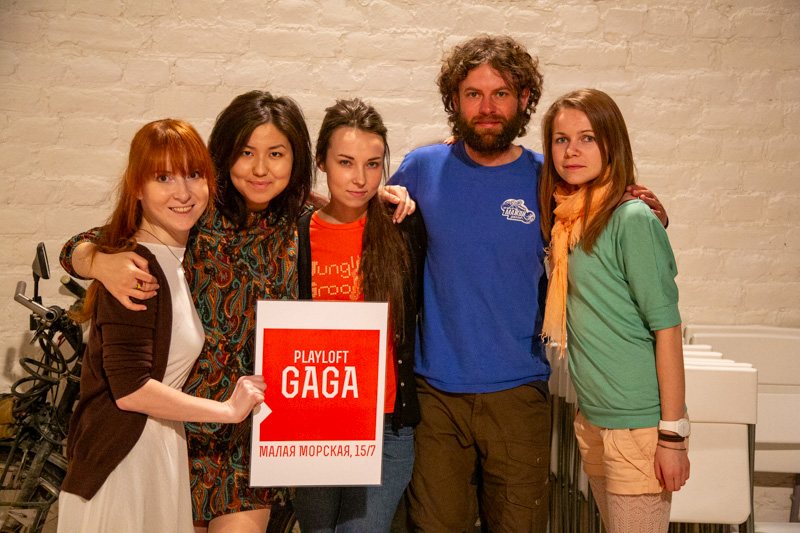
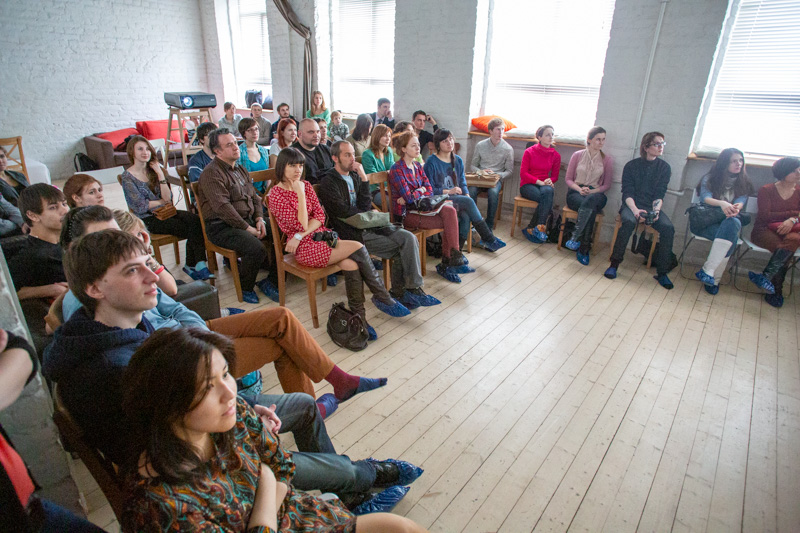
There was one last thing I wanted to do before leaving Russia. I’d been asked on occasion to meet with local journalists to do stories about my journey. I’d done that in the Far East, but once I knew that my route was taking me back into Russia for the long haul, I had reluctantly, perhaps selfishly, turned down these invitations because I didn’t want to alert the authorities and jeopardise my visas. But now I thought I should probably do something to get the journey on the books. So I asked Tasha if she had any contacts in the media, and in no time her colleagues had lined up two TV stories.
To the Finland–Russia border
Departing Saint Petersburg, I had three days left on my visa and 200 km to the border. I was tired of the trucks—the racket and the smell of them. I stopped at the final village before the border and grabbed my camera. In the damp, cold, overcast world, nothing much had changed. After 15 months cycling from Sakhalin Island in the Pacific to the western frontier, I didn’t want to leave Russia behind. All I could take were a few pictures, superficial souvenirs of a country both beautiful and perplexing. And what would be left? A chunk of my life, friends like family, memories etched deep as trophy scars. My old silent foe, melancholy, creeping in, tapping me, telling me it’s okay to feel it and to let it go.
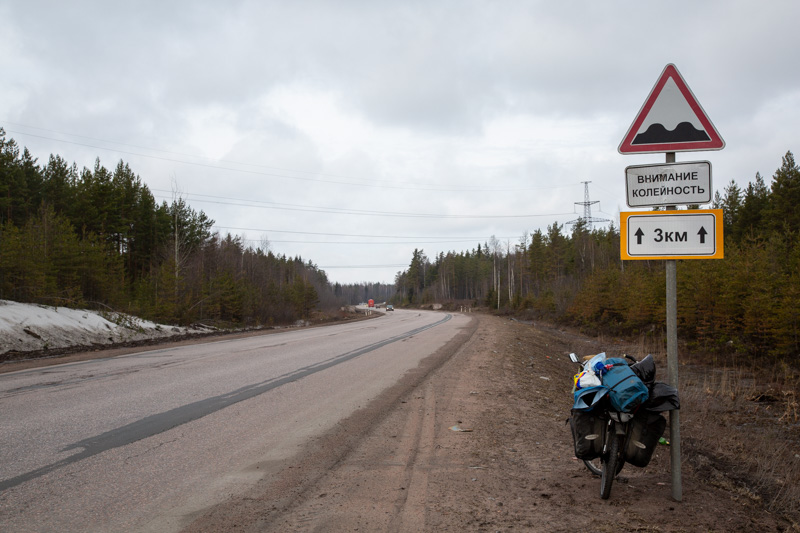
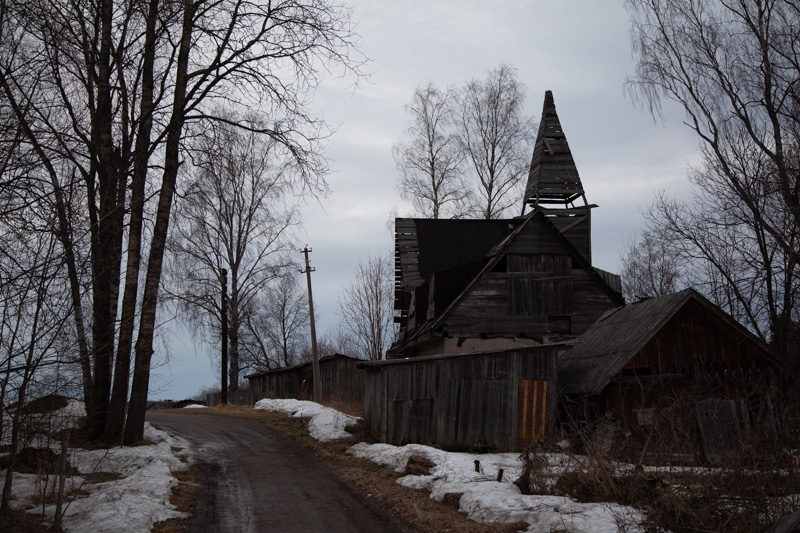
10 km from the border, I was pulled up at an immigration checkpoint and made to wait while documents were checked and calls made. The female border agent, almost apologetic for the delay, offered me a cup of coffee as I lent on my bike waiting, but I was used to being damp and cold, and I was happy to savour the moment. Meanwhile, she got her English-speaking friend, Marina, on the phone to give me directions to the border crossing.
‘Do you have a visa for Finland,’ she asked.
‘I don’t need one,’ I said, feeling abashed by the absurd fortune of being born into the free world.
‘Khoroshiy.’ (Good)
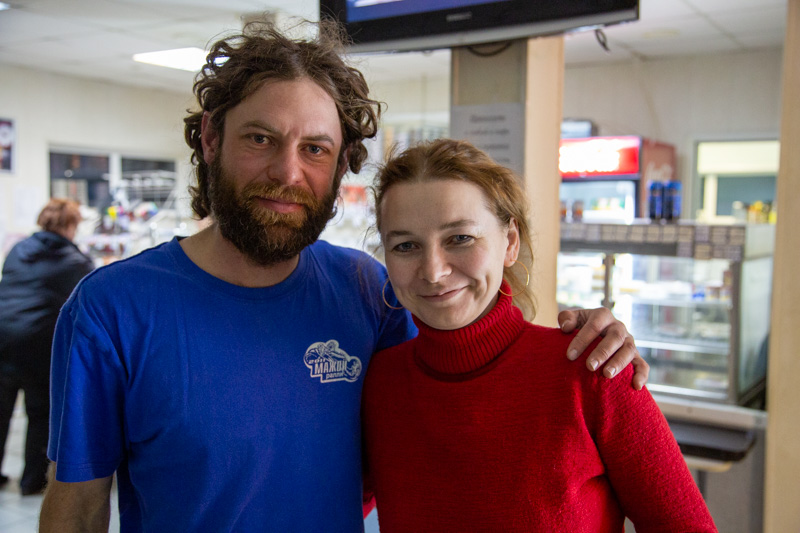
At the final roadhouse before the border, Marina was waiting for me to share a cup of tea before I exited Russia for good. It might seem odd for someone to come out in the dead of night to farewell a person they did not know in their final minutes, but it wasn’t, not here. Having come to know Russia as I had, it seemed to me that there could be nothing more appropriate than for a complete stranger to take the time to send me off with well wishes and the warmth of a hug.
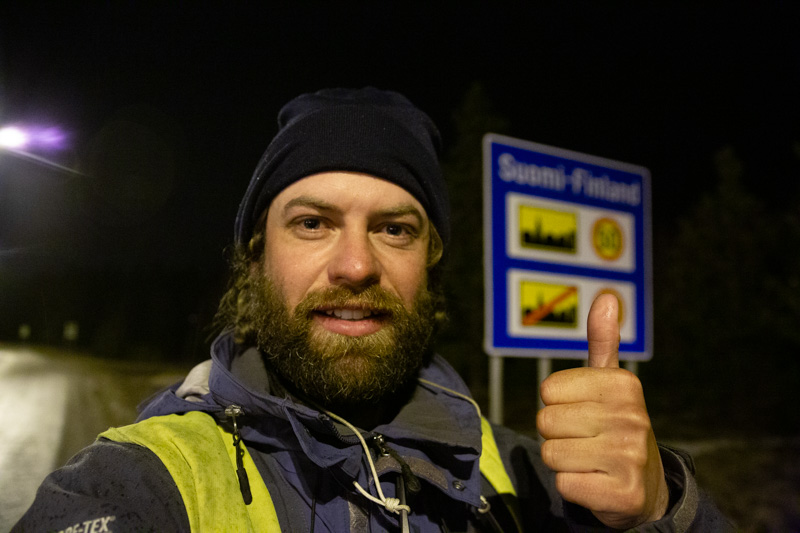
It was time. I rolled up to the border and lent my bike against the wall. One booth was open, and I waited while a short queue of people processed through the gate. I had done what I set out to do, and now I took a moment, my last breaths of Russia before laying her to rest. Then I grabbed my bike and rolled up to the window, had my passport stamped at a quarter to midnight on the final day of my visa, and through I went into Finland.
Finland and Norway
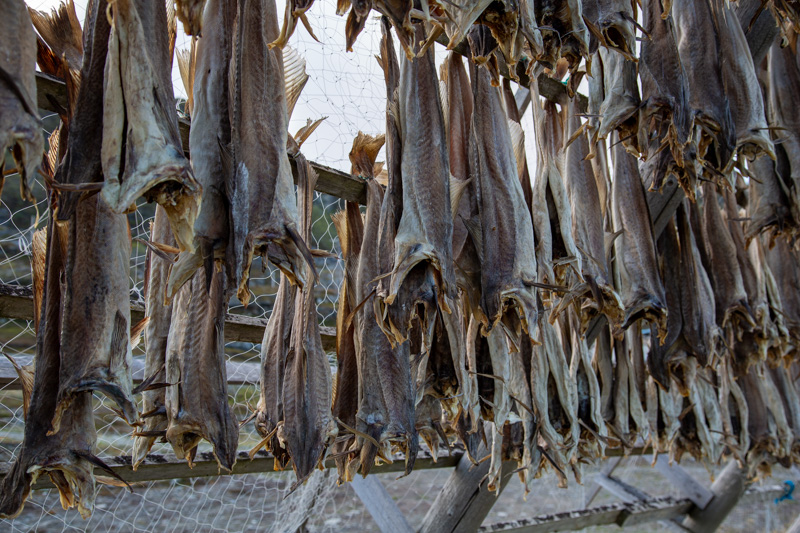
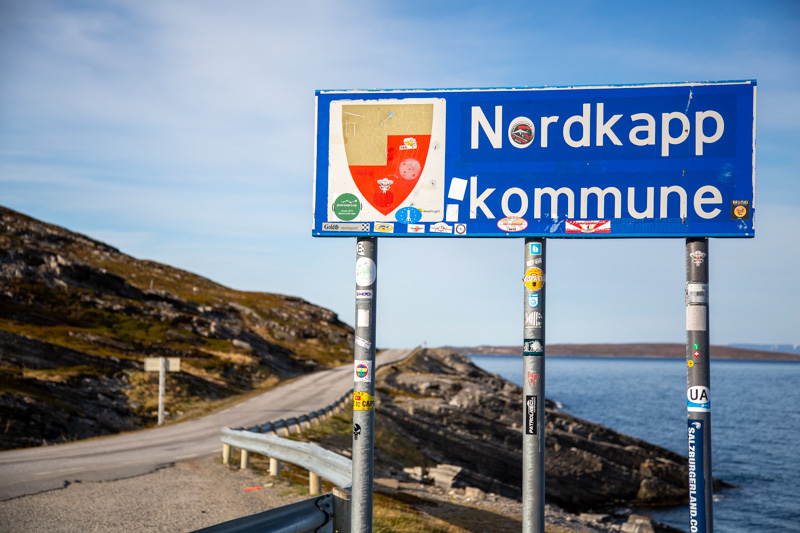
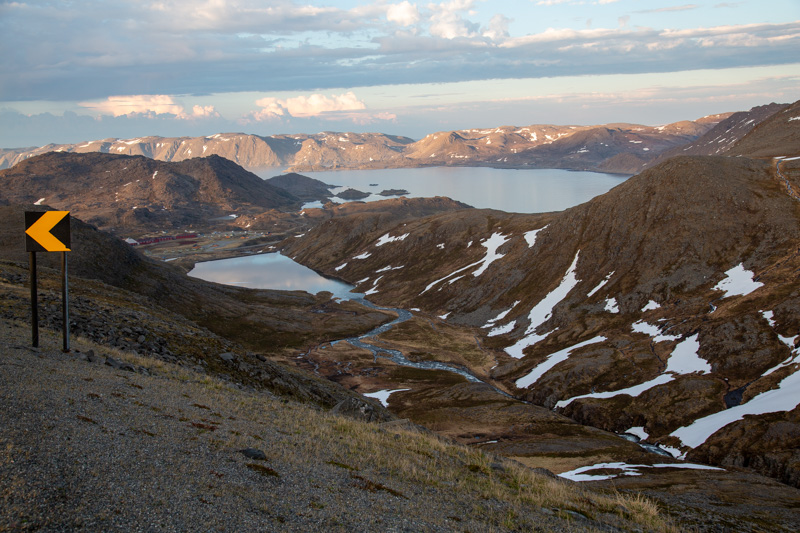
As I mentioned in my update, a few posts back, once in Finland, I cycled north to the end of the road, arriving at Nordkkap, Norway, in May 2013. The story from that point onward can be found here: A long overdue update on Earth Odyssey Expedition
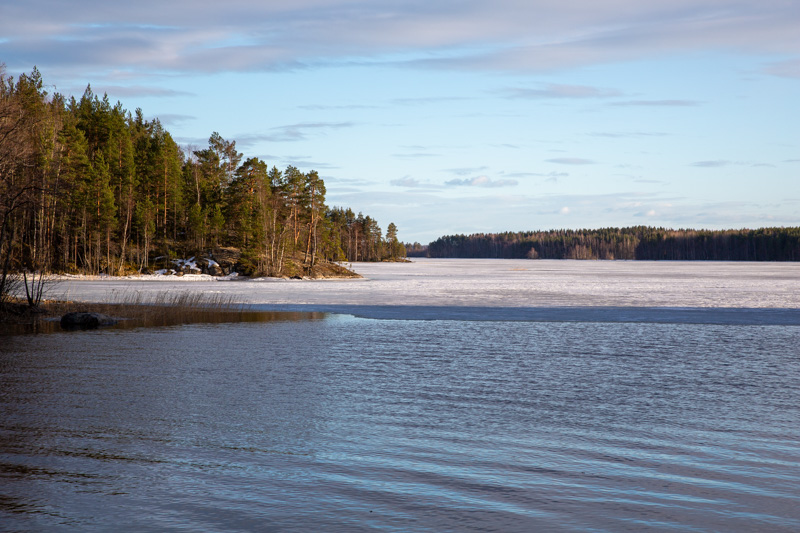
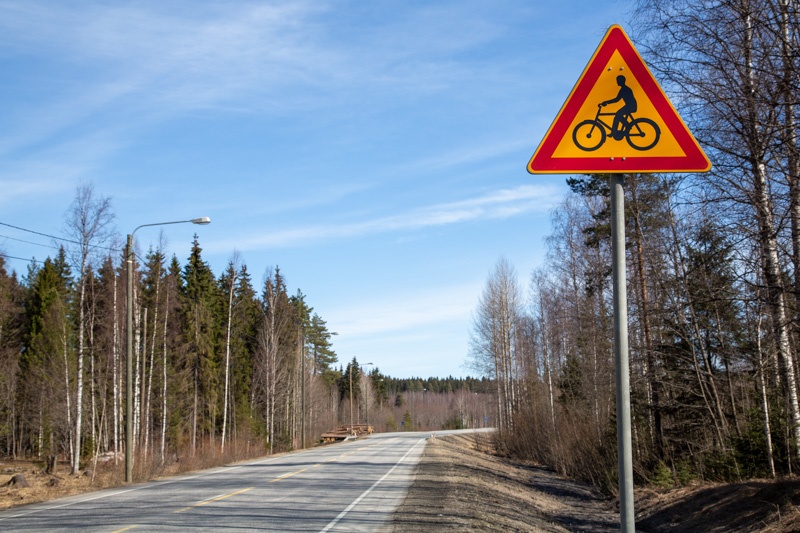
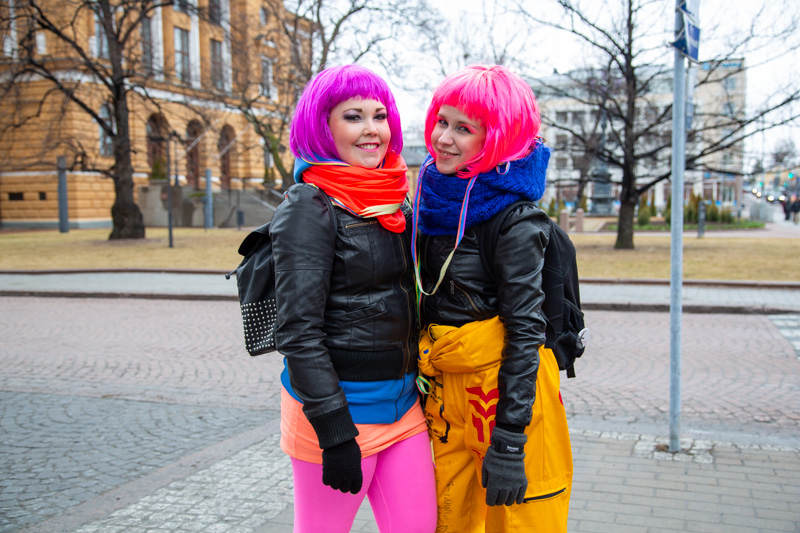
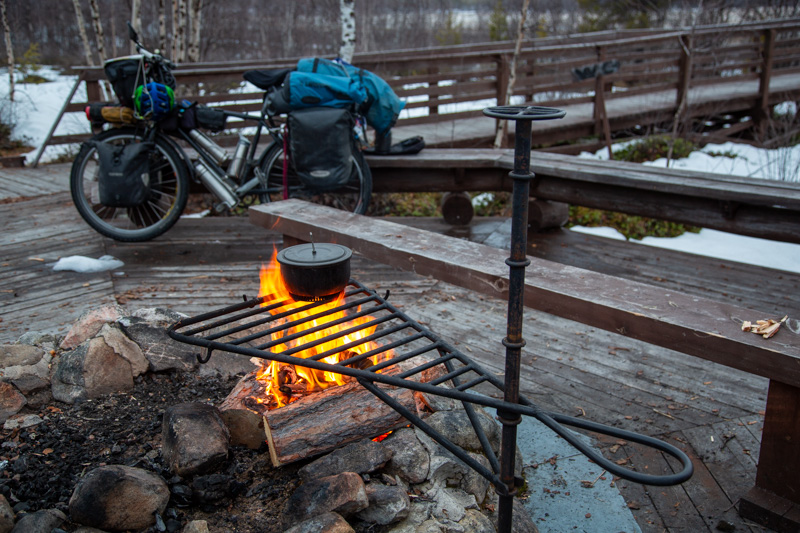
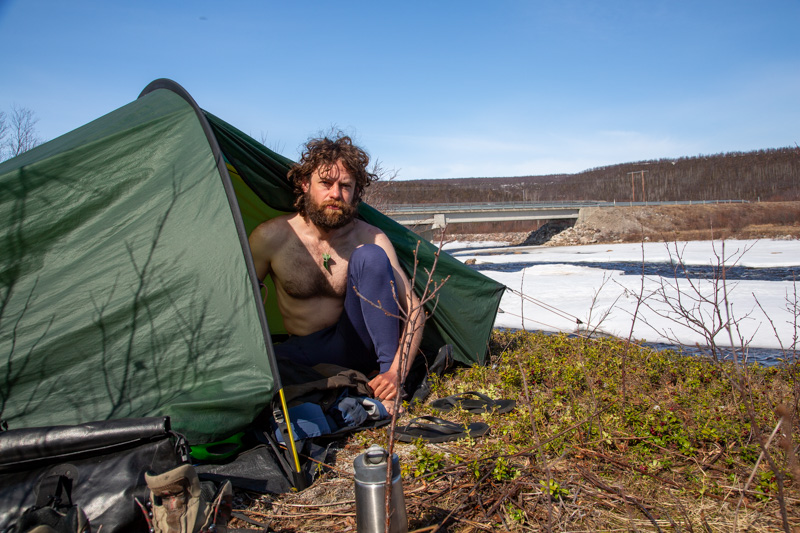
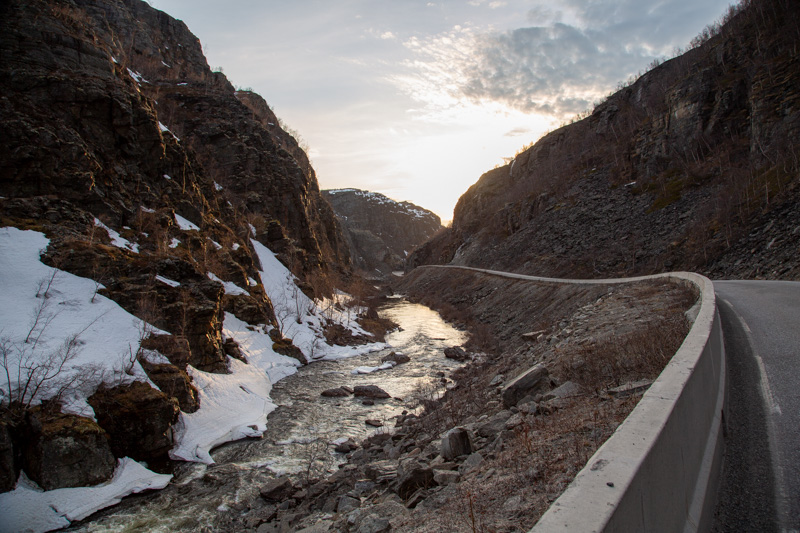
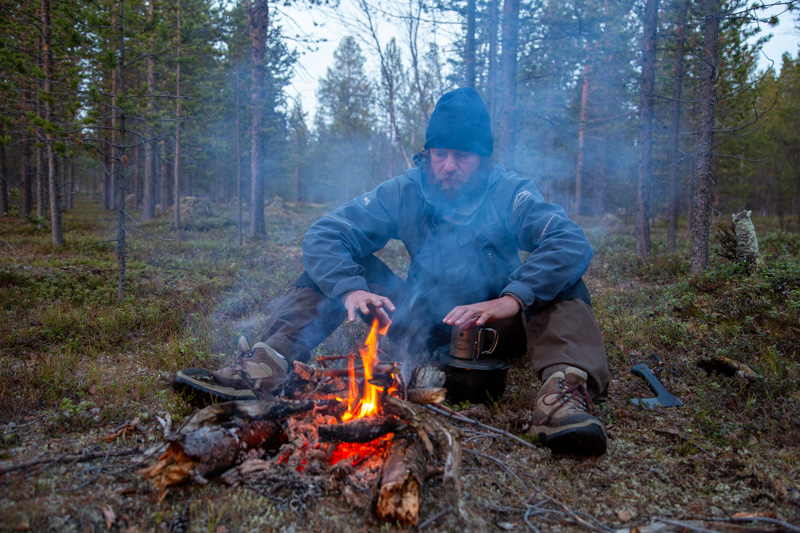
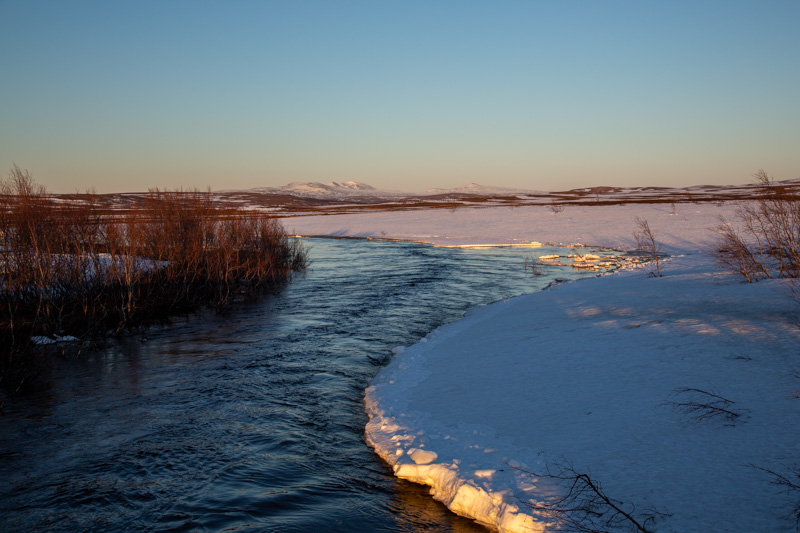
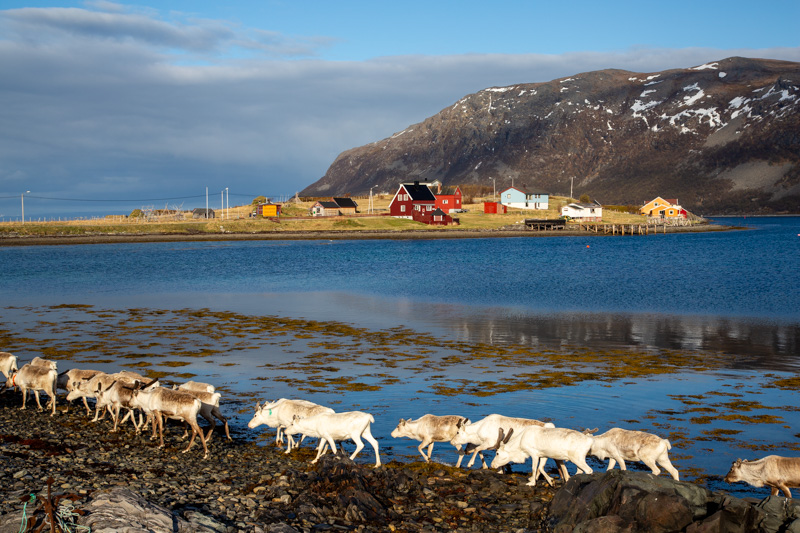
It was quite a relief to have survived the roads in the Russian west. The seasons were changing. People’s kindness carried over the border, I was invited into homes, and it all felt like a holiday by that point. I’ll leave the story there and let a few pictures of the final stretch through Finland and Norway speak for themselves.






Author’s note:
This concludes my Russian journey, and more or less brings my story up to speed (except for the video which is still in edit). There’s a fair bit of the story that I cut out for brevity, but still these posts may be too long for busy schedules, so if you got this far and you feel like leaving a comment (good or bad), please do. Don’t be shy. It lets me know that someone is actually reading this and it’s worth the effort. The next post will be from the Land of Fire and Ice.


 Earth Odyssey Expedition
Leave a reply to Jackie Latto Cancel reply