
Note: This blog (and the next two) follows the final part of my bicycle journey across Russia during 2012 and 2013. Regrettably, I’ve only got around to publishing it now, prior to recommencing the journey in December 2024.
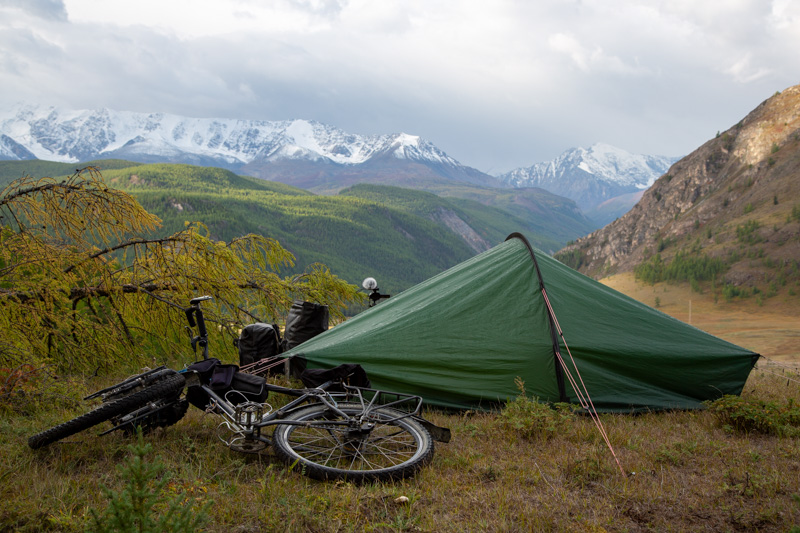
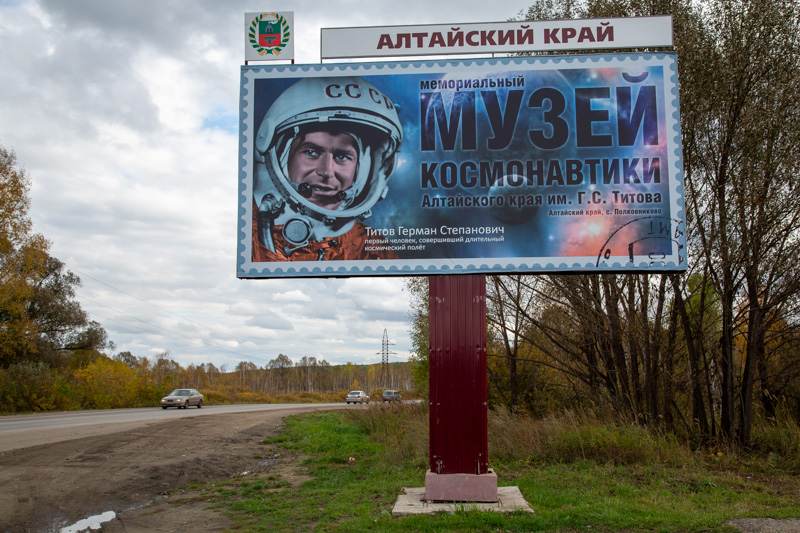
Three days after crossing from Mongolia back into Russia, I met Alex on a hillside while looking for a camp spot. A photographer, he was seeking a vantage point to photograph the snowcapped peaks to the South. My sweat-sticky skin chilled with the fading day as Alex scribbled directions to his place, 360 km north-west. He drew a wiggly line across my notebook, thoughtfully marking the three passes along the way. I was looking forward to the visit. It had been six weeks since I had spent a night indoors, and I was sure Alex would be a good host. I followed the Katun River flowing through the Altai valley. The temperate autumn days lent the world a fleeting moment of perfection. Six days later, Alex and his wife, Lena, greeted me at their stone and timber cottage on the Siberian river where they run a youth summer camp and whitewater rafting adventures.

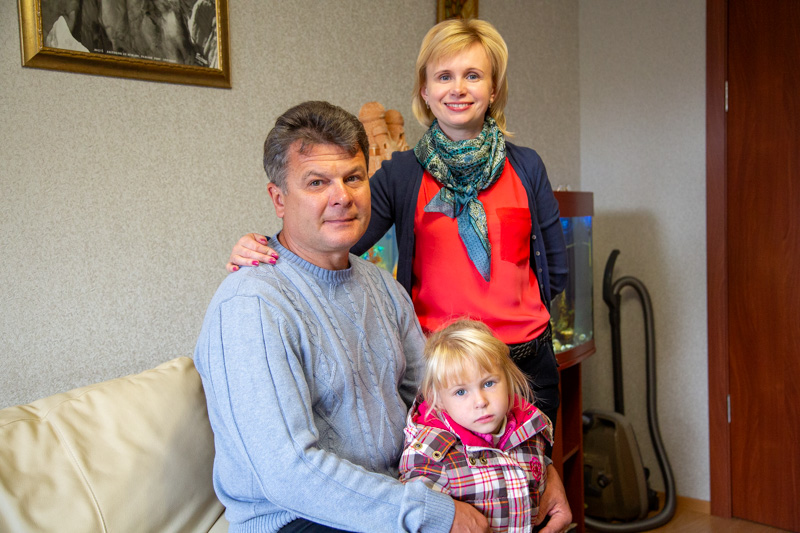
‘You are hungry. Do you want to eat now?’ Alex asked.
I was always hungry. But there was a greater urgency; other than the occasional river bath, I hadn’t washed in 44 days, and I couldn’t disregard my rancid condition in the company of civilised people. I slumped in the shower for the first time since Ulaanbaatar, my skin loosening, letting all that sweat and grime from the last 2,400 kilometres wash from my body and swirl down the drain.
‘You travel slowly,’ Alex said, smiling, as he uncorked a bottle of red wine.
I suppose my pace had relaxed since the trials of Mongolia. On the other hand, from my first pedal stroke out of Melbourne, it had actually taken five and a half years to arrive here.
Alex served up mutton risotto, and in the spirit of wonderful Russian hospitality, made mine a double portion. The large chunks of fatty meat was what I had come to appreciate as Russian survival food: meat and fat, stews, soups, breads, and root vegetables. Exactly what the body craves in the Siberian climate.
‘Drink your tea with your meal,’ Alex said. ‘It helps the fat pass through your body.’
So that’s why food in Russia is always served with tea! It only took me half the country and countless meals to learn that lesson.
After a few days of sorting myself out (A/V backups, journalling, bike maintenance), I headed out for the final stretch of the Altai. Into gusts and drizzle and intensifying traffic, I rolled along the narrow road north-west. To avoid the traffic, I began travelling into the night on quieter roads through shadowy forests and passing dimly-lit villages. But the night had its own perils: potholes, drunk drivers, loitering groups of boozing men—you have to give your nerves up to something.
Out of the Altai
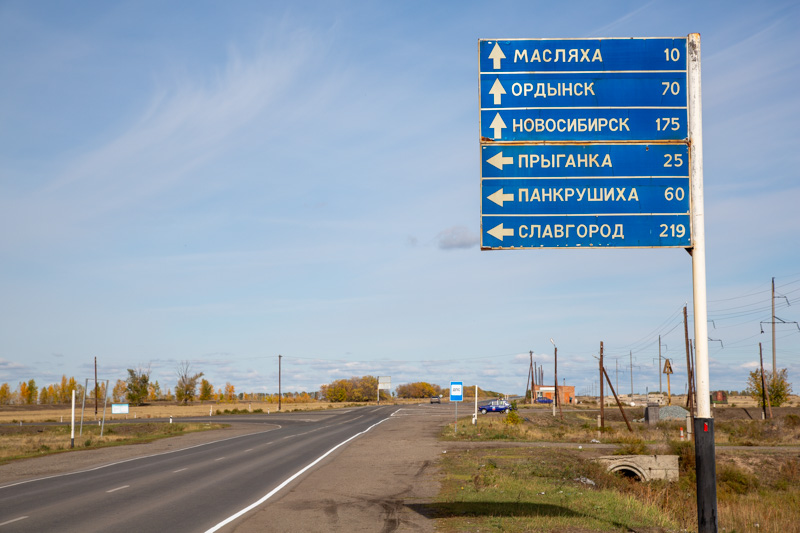
Having passed the mountains, I arrived the small city of Barnaul, where I could finally replace my vandalised odometer and get a countrywide road atlas, which I dissected for the remaining western half of Russia. Later I would find large scale roadmaps, but for now I was stuck with the 1:1,500,000 atlas, which lacked detail. It could take a week to advance to the next page, but with the pages separated and patched together I could begin to sketch out a rough route west. Backroad navigation was guesswork, the roads were generally poor, but it was a peaceful time, cycling from misty morning till late night, zigzagging between wheat fields and finding secluded spots to camp in patches of birch.
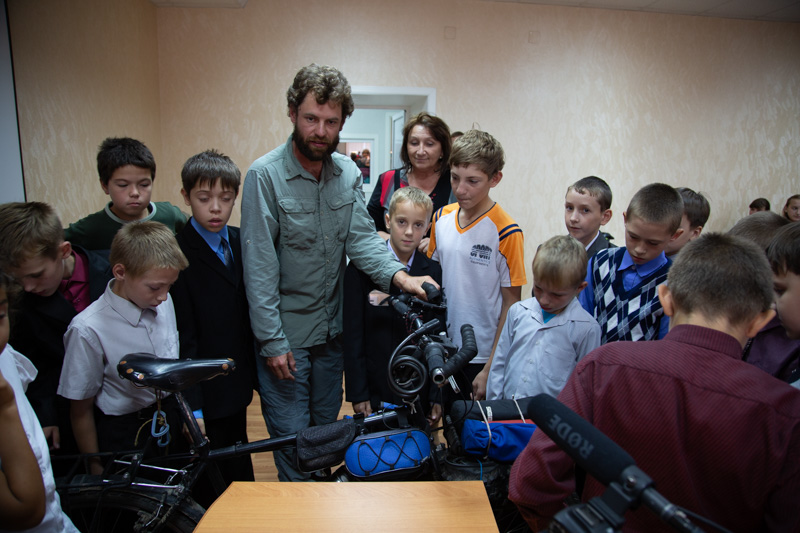
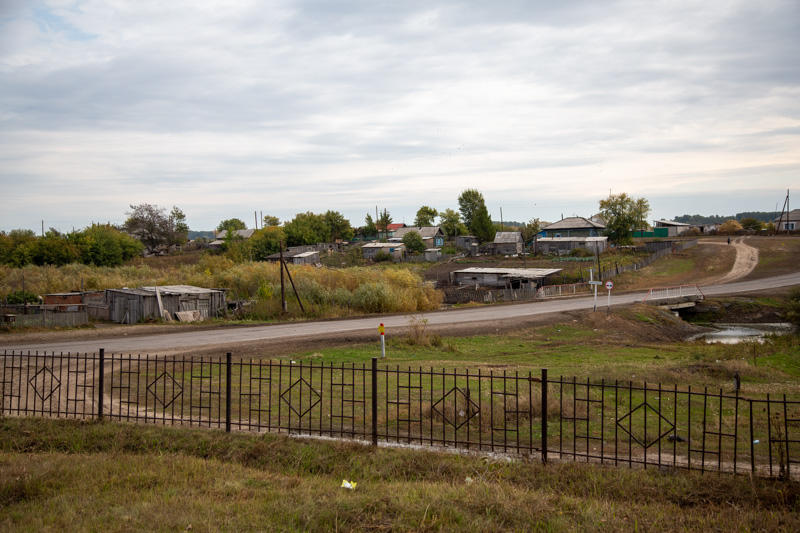
Siberian villages are generally in a rough state—a jumble of brick and timbre dwellings, ramshackle barns, enormous haystacks, rusting silos, and other odd forms of deteriorating machinery. I would find the magazin (village store) and stock up with several days of food at a time. Stock is typically kept behind the counter, and the shopkeeper fetches the order from ceiling-high shelving, while tallying the bill on an abacus. She would then realise what a dope I am and scribble the total on paper. I was quite pleased once I’d figured out how to read the beads.
Liquor takes prime position at the counter. Staples such as biscuits, flour, sugar, rice, and bread come in plain packaging. My shopping list usually included rice, eggs, powdered milk, butter, bacon, tinned vegetables, fruit, and a mound of sweet biscuits and chocolate. During the frozen months I could stock my panniers with denser foods from the freezer—meat, and bags of Pelmeni (dumplings).
I found Russians to be beautiful, kind-spirited people, although this attribute didn’t seem to apply to the service industry. On the other hand, the characteristic sourness of shopkeepers and receptionists, combined with that alluring Slavic bloodline, was oddly seductive. If I scored a smile I was bound to have a good day.


I took breaks in the woods, or sometimes at the local cemetery a few kilometres out of the village. I wandered among the crooked tombstones—rising from a sea of weeds, sun-bleached plastic flowers, and Russian Orthodox icons—looking into faces etched into stone and rendered onto ceramic tiles, reading the dates and picking out the common names that I could now recognise in Cyrillic, like Антон (Anton) and Константин (Konstantin). The cemetery gave me peace. It was a reminder that flesh and blood and breath is a one-shot deal. And reflecting back at me beyond those weathered portraits, was the journey, the choice, the assurance that I was free and happy and doing something worthwhile in my life.
Usually I was alone at the burial grounds but one day a group of babushkas arrived, dressed in tattered coats and floral headscarves. So not to intrude, I got up to leave, but the women greeted me warmly. One of them stopped me at the gate, and went to the car to retrieve a small package, giving it to me with a blessing and a smile, before shuffling off to join the others by the grave. I opened it to find some cooked meat patties, pieces of baked chicken, and a handful of sweets.
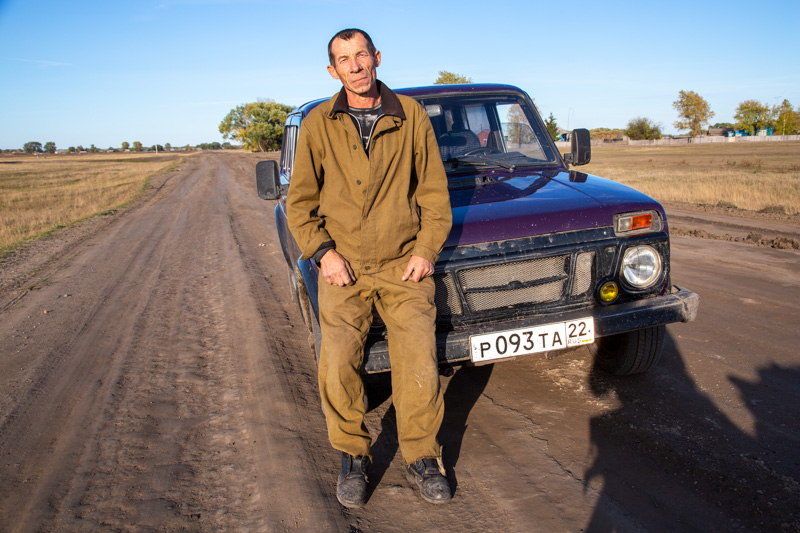
South-Western Siberia was less the wild bush of the Far East, but rather a haphazard patchwork of crops and tracts of forest, which gave refuge allowing me to disappear at night. But it was tick season, and from September the woods had become hostile territory. I hadn’t been vaccinated against tick-borne encephalitis, and was hardly thrilled to find them crawling over my skin.

I balanced the risk of getting bitten in the cover of the forest, with the risk of camping in the open, exposed to unwelcome visitations by my own species. One day I rolled off the quiet dirt track and made camp at the edge of the forest to avoid the ticks. I rugged up with the few clothes I had and fell asleep, until … BOOM! … BOOM!
Wrenched from my dream world, it took a moment to register the shotgun blast. I pealed back my beanie to find light filtering through the tent. I thought it was dawn, but then the morning rays mysteriously disappeared. My watch read 1 am. Across the field I could hear an idling engine, some confused chatter. Then my tent was lit up again, and I realised I’d been discovered by a hunting party.
The dark plays games. I envisaged Vodka-fuelled men taking potshots at the tent. (It wouldn’t be a first. I’ve heard stories of shot up tents found in the outback with skeletons inside.) All those pessimistic warnings were right, that this was not a place to be alone, not as a foreigner, and not on a bike. Of course, I didn’t know if they were drunk—just an educated guess. I franticly tried to escape the tent, but the zipper snagged on frozen condensation. I quit the struggle and listened blindly. The vehicle was moving slowly along the track with the spotlight fixed on my camp. Eventually I got my head out of the tent as the engine faded and the vehicle disappeared into the night. My heart still pounding, I curled up from the cold listening to the unnerving crack of ammunition until creeping back to sleep.
I had 500 km to the southwestern Siberian city, Omsk, from where the road forks south to Kazakhstan and west to Moscow. As my pot of porridge began to splatter, I killed the stove and let my breakfast cool while I spread the loose pages of my road atlas across the ground to recalculate the options. To Moscow, I had nearly 3,000 km to cover in 30 days, at which point I would have to leave the country to obtain a new Visa. This would be a marathon, and bureaucratically more complicated than heading south into Kazakhstan. But by that point I’d come so far through Russia that my heart was telling me to see it through, so I plotted the most direct route to Moscow. The journey was becoming sport. There’s no avoiding the size of Russia, so I began to set an alarm for predawn starts and long days in the saddle.


Omsk
I made camp by a field around midnight, 30 km from the Omsk centre. Long days cycling into prevailing westerlies had left me weary. Two weeks without a wash turned my skin gritty, my filthy hair stuck together in matted clumps. I was out of food and ravenous, though happy about hitting a milestone. Population centres are few and far between so it always felt like an achievement to reach one. Now 2/3 the way across Russia, I was about to reach my fourth: Yuzhno-Sakhalinsk, Khabarovsk, Vladivostok, and now Omsk, population 1.15 million.
Anticipating a feast, I broke camp early and headed down the road. I was less enthused about the inevitable challenge in finding the city centre—getting through the shabby industrial zone, weaving through congested traffic, deciphering whatever information I could from vague maps, obscure road signs, and confusing directions from pedestrians. The tainted air tasted of machinery. Buses screeched in fits and starts. Eventually, housing estates rose up in blocks of brick and concrete. A median strip split the road. I knew I was getting somewhere central, arriving at a memorial for the Great Patriotic War.

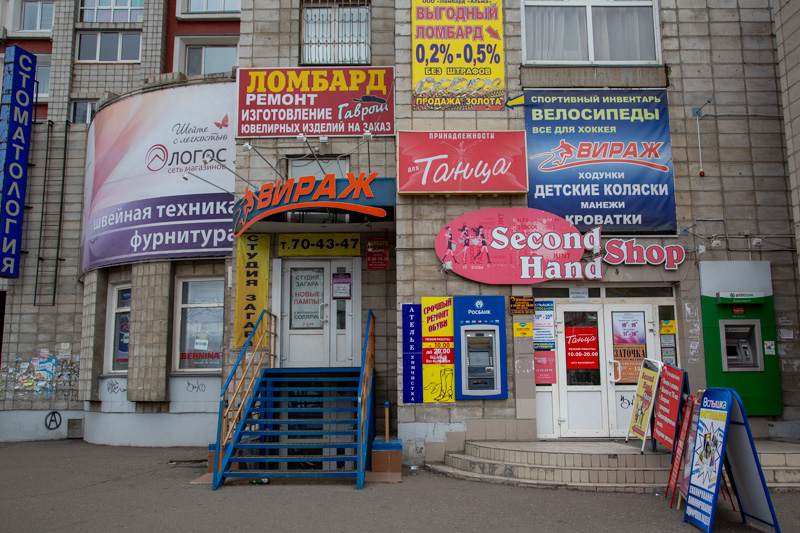
I stopped at a supermarket and grabbed breakfast: bread, fruitcake, yogurt, milk, cheese, biscuits, bananas. Across the road I took a bench in a small park enclosed within eight-story tower blocks. Flowerpots sat by windows, bras and knickers dangled from lines. I watched a woman cooking, people living normal lives in the real world. For a moment I wished of having a bed and a shower and a chest of drawers instead of panniers. An old man staggered towards me, clicking his cane along the path, and sat to my side. He watched me as I devoured a banana, yogurt and slabs of fruit cake. Then he strained from the bench and resumed his journey.
As a visitor, I was required to have my visa registered at a hotel within one day of arrival in Russia. The hotel reception records the details of your passport, migration card, and visa, and submits the registration document to the Federal Migration Service. I knew I was four weeks overdue, although, I never fully figured out the rules. 6 months earlier, one hotel in Vladivostok refused my stay because my previous registration was more than 7 days old. In fact, it was 56 days old. I don’t think the receptionist bought my story that I had been camping in the snow with bears, wolves, and tigers.
I was also required to list on the visa application all ‘points of destination’ and register with authorities upon arrival at each place. Since I had no planned route, I plucked some evocative-sounding names from the atlas: Khabarovsk, Vladivostok, Irkutsk, Moscow and St Petersburg. Half the world separated these destinations, and although I had little idea if or how they would fit into my route, legally these were the only places I was permitted to be during my time in Russia.
It didn’t really matter since there is no legal way for a foreigner to ride a bicycle across Russia, and so I opted to fly under the radar. But since the politsiya were pulling me up from time to time, requesting documents, I figured I should get registered at least once since re-entry. My situation always felt dicey, but I also felt lucky. Considering the stories of corruption and ill-treatment, and emphatic warnings to avoid the authorities, the police treated me well and let me be on my way without issue. In any case, there was nothing to be done about my unlawful journey, so I banished it from thought. I would either make it across Russia or I would fail trying.


I made my way into the old town, found a hotel, had my documents processed, and retreated to my room for a necessary wash. Down the road, I found a bookshop where I purchased a map of Russia to help with route planning. I stopped at a small church. Yellow and crimson flowerbeds were wilting in the frigid autumn. Above, towered a bronze statue of Lenin, resolute and rigid beneath a heavy winter trench coat. I’d seen variations of this figure so many times it had begun to feel like an old friend.
The autumn-chill sent shivers through me as I saddled up the next day. I crossed the Irtysh River and headed northwest out of Omsk, bound for Moscow, with one eye on the road and the other observing the gradual deterioration of infrastructure—past rows of Soviet tower blocks eroding beneath decades of city smut, through the industrial zone with billowing smokestacks stretching out to the city limits.
The next morning, October 5, I unzipped my tent to find the world turned white with the first snow. I didn’t have winter gear and the nights were getting pretty cold, so I wasn’t overly enthused about the onset of winter. The days were fading rapidly, and I was advancing at a lethargic pace into perennial north-westerlies, along lumpy, skeletal roads, whilst trucks thundered past casting me out into the mud with showers of slush. Making Moscow by the end of October was looking doubtful.


Yekaterinburg
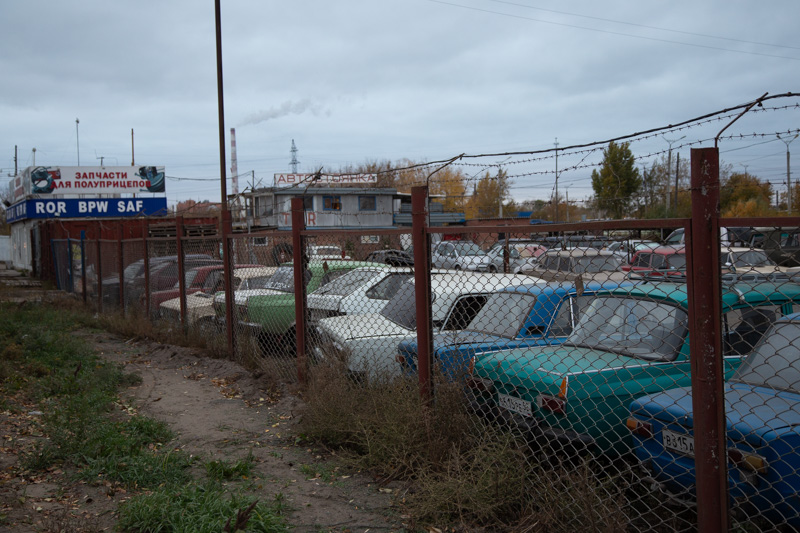
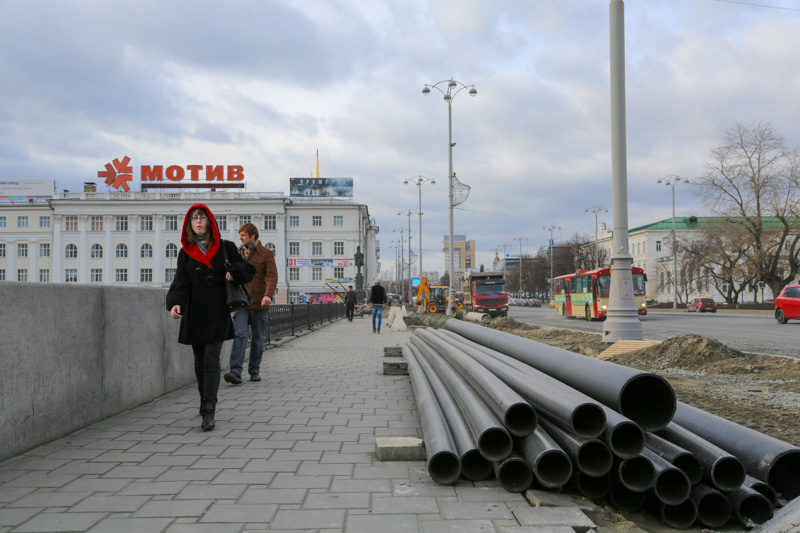
Two weeks later, I arrived in Yekaterinburg, Russia’s fourth most populous city. Eleven days remained on my one-year visa, and I still had some 3000 km to the Finnish border. So I needed to get online and book a flight from Moscow to Stockholm, to apply for a new visa. By the time I managed book my flight, I lacked the motivation to head out of the city, so I wrote my journal until the cafe shut at 2 am.



Across the road, I lent my bike by the pub window and entered the dim drinking hole for a beer. At least I would have a warm shelter until 5 am. It was a quiet night—just muffled chatter emitting from the rear of the bar. The playlist of classic rock left me wanting something more authentic, though I was pleased to find a selection of British beers on tap. While the publican waited for the pint of ale to settle, I watched Terminator II flickering mute on the television behind the bar. I sat by the window to keep an eye on the bike. Too tired to write my journal, I opened my notebook and began sketching.
Around closing, I met an odd trio of musicians: a middle-aged business man, an old rocker, and a guy in his 30s. They were out on the booze, so when the bar girl tried to wrap things up, the disgruntled businessman broke into a humiliating rant, protesting to keep the bar open, though she wouldn’t have it.
‘This is Russia. They close the bar too early. Too bad. We want to drink. Why we cannot stay and drink?’ He huffed. ‘Where do you go now?’
‘I will just wait for the sun to come up.’
‘You can come with us. It’s not safe … well, it’s not so dangerous, but we can protect you,’ he said. ‘Don’t you need to sleep? My friend has a studio. You can sleep there.’
We walked for several blocks and stopped at a tiny street kiosk for alcohol. I exchanged some change for a bottle of beer and strap it to the bike. Down the road, we arrived at a classical building with a stone colonnade and giant timbre doors. The men woke someone up to let us in. The door creaked open and I wheeled my bike into the foyer. The click of bearings resounded off the high ceiling of what appeared to be some kind of cultural building, a concert hall perhaps. Whatever it was, it was no apartment block.
I followed the men up an open stairway to the third landing, then a narrow flight of steps to the attic, where Sasha, the junior of the group, lived in his music studio—a disordered scene of instruments and sound gear, littered with gig flyers and posters, cigarette butts and liquor bottles. There was no heating or basic amenities other than the public facility on the second floor.

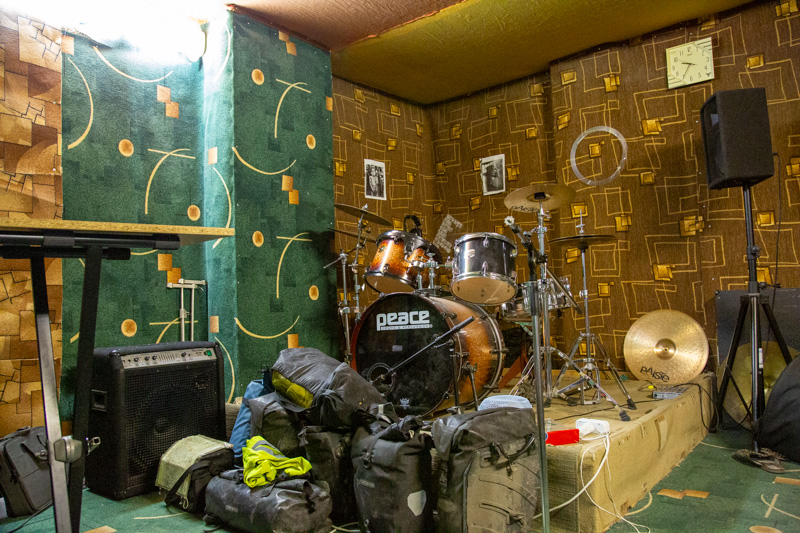

It had been a long day but wasn’t over yet as we cracked bottles of beer and chatted for a while in Russglish.
‘Benji, I want you see something. Come!’ Sasha said.
I followed him through the dark, along a narrow, musty passage adorned with oil paintings of landscapes and war scenes, to the atrium, where a gallery of masterworks immortalised the horrors of the Soviet campaign of the Second World War. I closed in on one of the paintings dimly lit by street light, trying to make out the detail.
‘This,’ he said, using his cell phone to illuminate the scene of Russian troops with rifles drawn on a Nazi surrendering out of a foxhole. ‘It’s catch the fascists.’
Opposite, hung a huge canvas depicting Russian troops among the smouldering ruins of Berlin. Another showed the sombre faces of Japanese POWs and the rising sun flag trodden in the mud.
I had slept barely an hour when the old bloke woke, shivering, drunk, making a racket tripping over music equipment. He took a swig of Vodka and lit a cigaret, then he stumble to the drum kit and banged away for a while until collapsing from the stool.
A few hours later, Sasha helped me lug my gear downstairs. The guys wanted me to stay for the gig that night, but I had to move. Sasha was emotional. His eyes welled up as he hugged me. ‘You are good man,’ He said. Like so many encounters along my journey, I knew him for a moment, but it was enough for him to care that I make it to the end of the road.

Final Leg to Perm
I cycled out of Yekaterinburg on October 21, with 10 days left on my visa and 1,800 km to Moscow. I wasn’t going to make it. The next city, Perm, was 390 km northwest. From there, I would catch a train to Moscow for my flight, so I could get out of the country in time. West of Yekaterinburg, I crossed the Central Urals and entered Europe, the third continent of the journey. The coming weeks, possibly months, were a complete unknown, so I was savouring the last days of the freedom of the road. The pressure of time was no longer an issue.
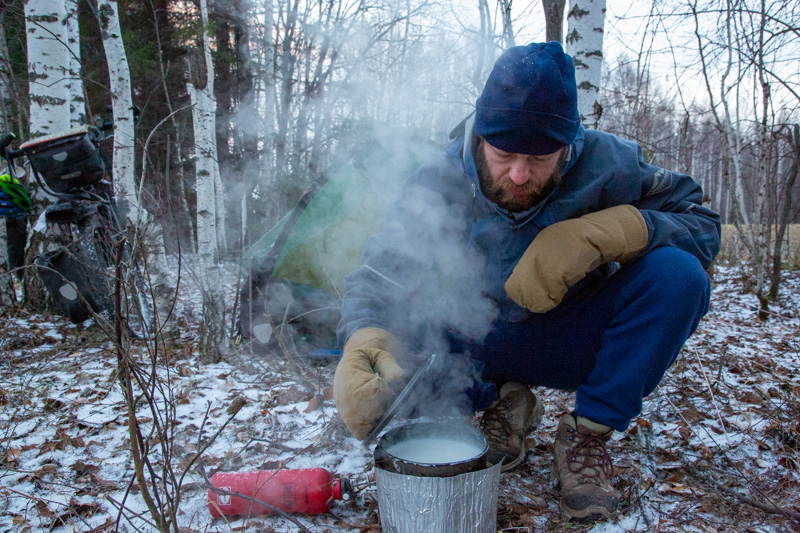
I roused from sleep shivering. For a moment I studied the shadowy deposits of snow sagging the ends of my tent. Another winter. Has it been this long? Wearing every scrap of clothing, I slipped into the cheap, frozen hiking boots I’d bought in China, and crawled out into the grey October day. I made as much distance early as my stomach would allow, before pulling off the road muddied and hungry, and wincing at my painful toes. Wet snow penetrated my clothes, chilling me to the core as I crouched, waiting for my pot to boil.
For a few kilometres, the road became pleasantly quiet until I arrived at the blockage—the sobering wreckage of a head-on truck collision. With Perm on the horizon, I put it out of mind and slip and rattled onward into a blinding southerly blizzard, until arriving at dusk at the city margin. I didn’t know where I was going but aimed towards the glow of urbanisation, eventually finding my way into the old city centre.
I immediately found a shop and bought a bag of dumplings, then took a park bench and lit my stove. Ice stung my face, seeped down my neck, sucking the warmth from my starved body. While my pot came to the boil, I sunk into my jacket and watched couples walking by. Admiring those gorgeous women in fir coats was getting painful. I’d been alone for too long, become such a bum.
I could barely see into the pot. I shut my eyes and shivered. These were the finest dumplings in the world. No, they weren’t. You’d normally remove the dumplings from the water, but in survival mode you drink the water too. I scooped another dumpling from the steaming watery slop while considering my next move.
This is it, at least for now. It felt like I had come far in the last year and yet I was still in the depths of Russia. The road would go on, but for now I needed to find the station, get to Moscow, dump my gear, and leave Russia. Then I would look at solving the problem of getting back in to complete the final 2,500 km to the border. I was confident I would find a way, but in reality it would be blind luck and the extraordinary kindness of strangers that would ultimately make it possible for me to finish the ride.
‘Can I help?’
I looked up from my tattered map, surprised to hear English. It was midnight, and I was trying to find my way to the station for the commute to Moscow. Julia and Sergey were walking their dog, Lada. With a few words exchanged they reversed course and showed me to the station.
At the ticket booth, Julia helped me sort out my train pass. We chatted while the documents were getting processed, and I was conscious of how it was going to be a total pain to squeeze my bike and all its bits on a packed train.
‘Ah, Julia, is it possible that you might be able to store my bike? I’ll be back in about three weeks,’ I guessed, with absolutely no idea when or if I would be let back in. I was a complete stranger, yet Julia didn’t hesitate.
‘Yes, you can leave your bike with me.’
She passed me the ticket. ‘Now you will come to my house, have dinner and a shower, and we will take you to the train at 5 am.’ She said.
As it would turn out, three weeks was a bit optimistic. Over three months would pass and the landscape would be encrusted in ice, before we would meet again.
Moscow
After a rattling, 23-hour journey, the train arrived at Moscow at 4 am. My friend, Marina, collected me from the station and I apologised for the pre-dawn alarm, but she assured me that this was the better time to arrive in the Russian capital. As we drove to her apartment, I looked up at dark buildings rising into the drizzly night. I hadn’t seen anything on this scale for a long time.
Marina’s family was still asleep as we sat at her small kitchen table, the warmth of the cup of tea in my hands reminding me that I was alive and well. It had been eight months since we met in the queue at a grocery store in the wilderness outpost of De-Kastri—she had been dispatched to the Far East on a work assignment for the oil industry, and I had just survived my escapade across the Tartar Strait. We laughed about that cheap but friendly, positively misnamed Five Star Hotel, where we both happened to be staying. We laughed at the absurdity of my plan. ‘You were very lucky Benji,’ She said.
It felt good to have entered this fascinating country knowing nothing about the people, about what was to come, about anything. It is after all the largest country on earth by far, and yet virtually no one goes there. And now I had a friend at the other side of the table that could share something of where I had been. There are so many rewards that come from a solo journey, but being able to share the experience, is not one of them.
Over the months, Marina had become a close friend. In the following weeks (after leaving Russia), once I learnt that there was no way to get a visa long enough to complete my journey without a private invitation from a Russian host, she offered to be my host and guardian, and in doing so she played the most crucial role in enabling me to complete my journey across Russia. I was uneasy with this, since completing my ride still meant breaking the law, and I didn’t want to get anyone into strife on my behalf, but it was all I had and Marina didn’t seem fussed.





Sweden
After a few days in Moscow, I caught the metro to the Sheremetyevo International Airport for the flight to Stockholm. (I chose Stockholm because it was the closest city to Moscow with both Australian and Russian embassies, allowing me to renew my spent passport and apply for the new Russian visa.) As the escalator ascended out of the underground, I noticed a worn Nikon with an open lens hanging from the shoulder in front of me.
‘Are you a photographer?’ I asked.
She turned and smiled. ‘Yes.’
‘You’re shooting street? I can recognise the bug.’
I don’t know what compelled me to strike up a conversation at that moment, since I had little time to spare. Perhaps it was the unsettling situation of leaving Russia prematurely—the feeling of finality, of needing to squeeze that last precious drop out of the experience. But by the time we’d reached the top of the escalator, we’d established the astonishing coincidence that she was Swedish, and lived around the corner from my cousin in Stockholm, where I had arranged to stay. A few days later I met up with Marlin after submitting my passport application at the Australian embassy, and there began a close friendship for the three and a half months I would spend in Stockholm.
After speaking with the Russian Embassy, it became apparent that the whole process was going to take much longer than I had hoped (it always does), and so Marlin threw me a lifeline.
‘There’s a spare room in the basement. You’re welcome to stay there for as long as you need,’ she said.
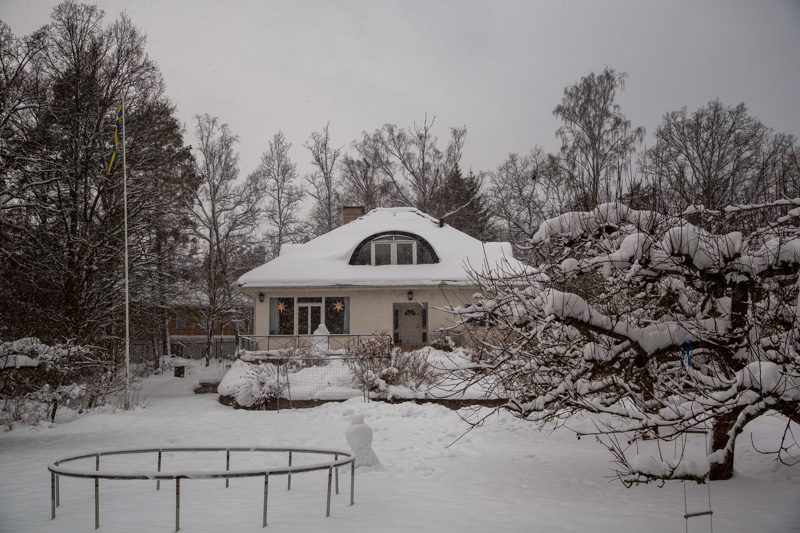
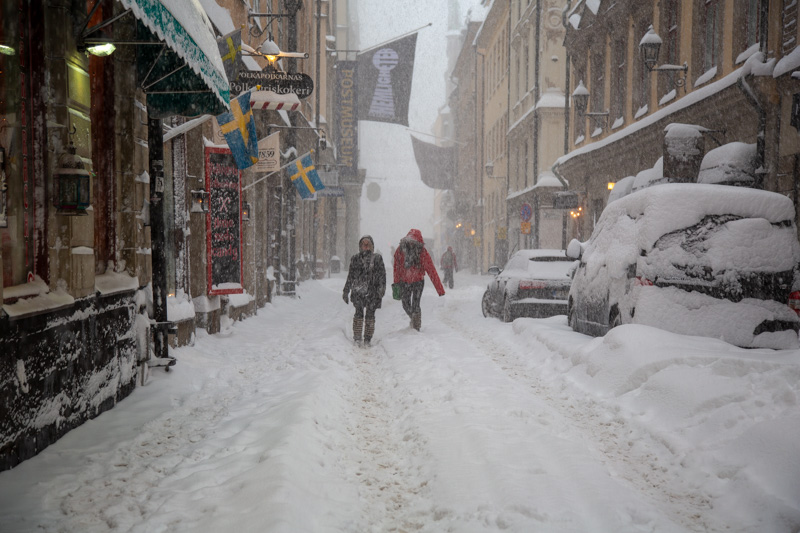
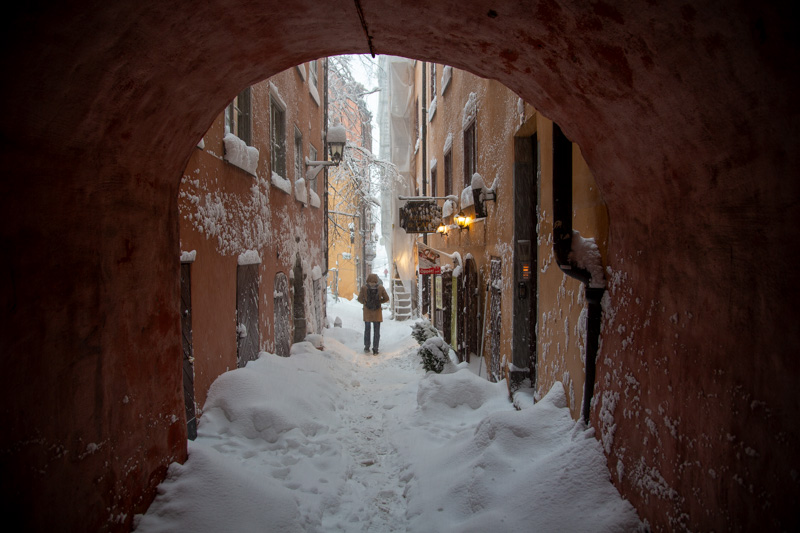
As the weeks passed and my application lagged with delays, I became anxious with the uncertainty of getting back into Russia, but I was extremely fortunate to have made friends with Malin, and during the festive season too. I soon fell into the routine of snow shovelling and walking the neighbours dog, and for a moment enjoying something of a home life.
‘I was reading your blog. You are very honest and tell everything,’ neighbour Pernilla said one day in January, while chatting about my visa dramas.
‘What do you mean?’
‘Like that you stayed at the army base. Perhaps you should remove some things while you are applying for your visa,’ she said.
It hadn’t occurred to me, but she was right. The authorities could not know that I was cycling across the country. I couldn’t leave anything to chance, so that night I shutdown my website until my visa was sorted.
The whole process, from Marina submitting the application in Moscow, to receiving the hardcopy invitation by courier, then submitting it at the Russian embassy in Stockholm, was taking over three months—longer than my visa-free allowance for Sweden—so, just in case I wasn’t totally fed up with visa bureaucracy, I also had to apply for temporary residency in Sweden, and Malin signed the paperwork for that. How would any of this be possible without angels on one’s shoulder?
The Russian visa was 90-days, in theory, however it began counting down from the day of submission, and I still had another two weeks processing time to wait.
‘Is it possible to pay extra to get my visa earlier?’ I asked, through the glass barrier.
‘Usually it takes two days, but for you it will take ten working days because Australia is tough on Russians,’ the consular official said. She could see I was disappointed though, and softened her tone. ‘It is out of principle.’
To be continued …
 Earth Odyssey Expedition
Leave a comment